Embracing the Autumn Glow: Fall Landscaping in Williamson County, Texas
Landscaping In The Fall Williamson County TX. As the scorching Texas summer sun begins to relent, homeowners in Williamson County get a welcome reprieve...

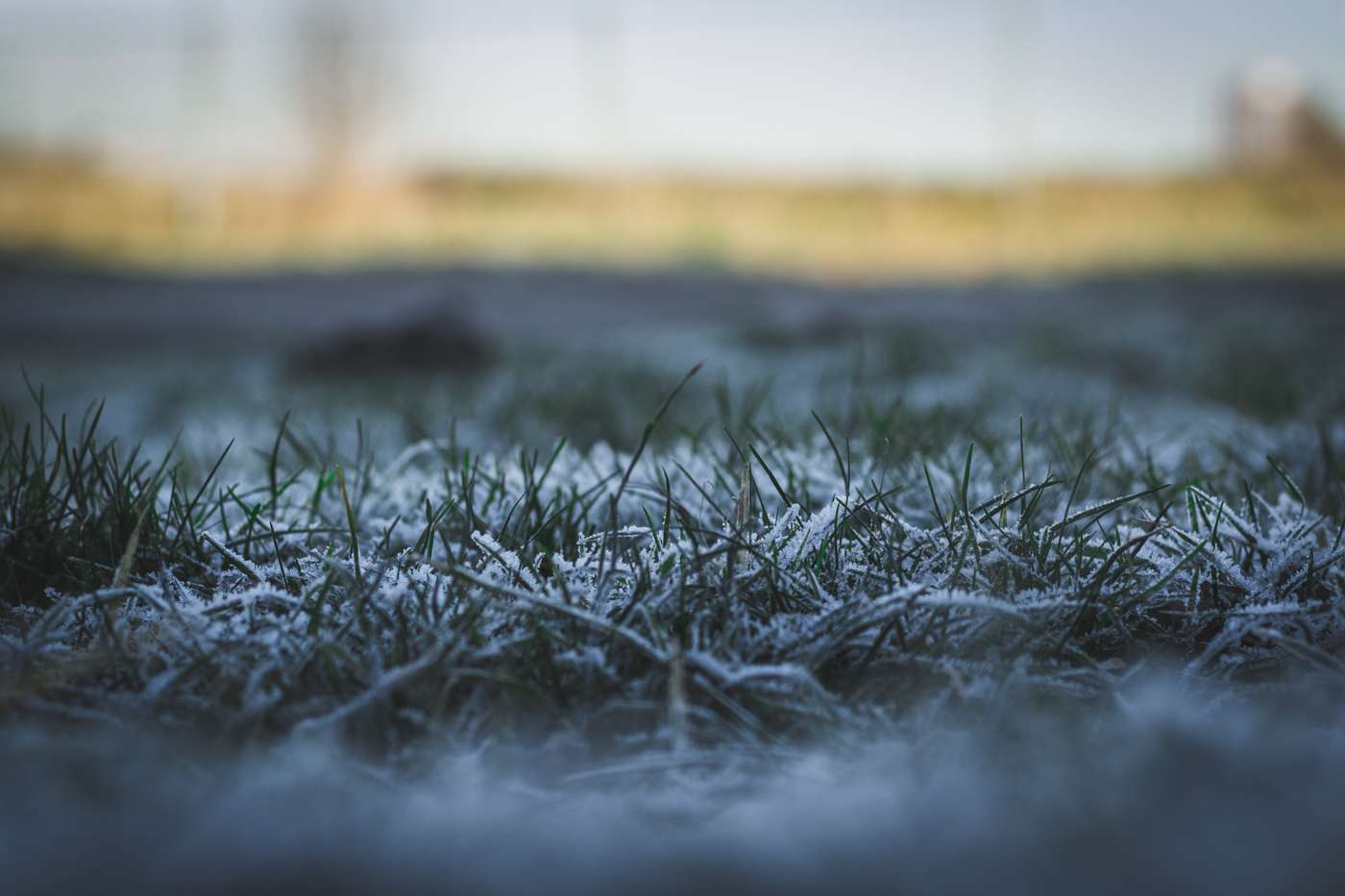
Landscaping In The Fall Williamson County TX. Fall in Williamson County brings a welcome break from triple-digit heat and opens a crucial window for smart landscaping. This is the season when Central Texas yards quietly recover from summer stress and prepare for the cooler months ahead. Done well, fall work can mean fewer weeds, healthier plants, and a yard that looks intentional instead of tired when winter arrives.
The questions below walk through what homeowners actually need to focus on: which tasks matter most in our climate, how to combine plants and masonry for long term value, and when it makes sense to call in an experienced local team like B&B Landscaping & Masonry.
Why Is Fall Such an Important Season for Landscaping Here?
What makes autumn different from spring or summer in Central Texas?
In Williamson County, fall is less about flashy blooms and more about building resilience. After months of intense sun and intermittent drought, lawns and beds are often compacted, stressed, and thin. Cooler temperatures, more consistent moisture, and softer sunlight create ideal conditions for:
Root growth instead of top growth. Grass and shrubs focus energy underground, repairing damage from summer and strengthening for winter.
Successful planting and transplanting. Trees, shrubs, and many perennials establish more easily now than in the heat of May or June.
Low stress hardscaping work. Stone patios, walkways, and retaining walls can be built without extreme heat slowing concrete, mortar, or crews.
In other words, fall is when smart owners invest in the structure and health of their landscape, not just its short term color.
What Are the Core Fall Tasks for Lawns in Williamson County?
How should you care for grass after a Texas summer?
Whether your property uses traditional turf, a mix of grass and alternatives, or you’re in the middle of a lawn conversion, fall lawn care is about helping the soil and roots recover:
Aeration to relieve compaction. Heavy clay soils and foot traffic can seal the surface over summer. Core aeration opens pathways for air, water, and nutrients to reach the root zone. Pairing aeration with overseeding or fertilization improves results dramatically.
Targeted fertilization. A balanced, slow release fertilizer in fall supports root growth and helps turf handle winter stress and the next year’s heat. Over fertilizing or using the wrong formulation, however, can encourage weak top growth or runoff, so product choice and timing matter.
Overseeding thin areas. Bare or patchy spots invite weeds. Fall’s cooler nights and occasional rains make it the best time to thicken turf or transition away from weak grass areas toward more sustainable options.
Leaf and debris management. Letting leaves mat on the soil traps moisture against blades, blocks sunlight, and fosters fungal disease. Mulching leaves lightly into the lawn or removing heavy layers keeps grass healthy and tidy through winter.
For many homeowners, this is also the right moment to decide if a traditional lawn is still worth the water and maintenance—or whether to begin incorporating xeriscaping or native plant zones over the next season.
How Should Beds, Shrubs, and Trees Be Handled in Fall?
What plant work pays off the most?
Beds and woody plants benefit from timely cleanup and selective planting rather than drastic, across the board trimming:
Cutbacks and deadheading. Many perennials respond well to a fall cutback after their last bloom, coming back denser in spring. Others should be left standing for winter interest and wildlife habitat. Knowing which is which is where local experience matters.
Thoughtful pruning. Some trees and shrubs can be pruned in fall; others are better left for deep winter or early spring to avoid stressing them or removing next year’s flower buds. Correct timing and technique reduce the risk of disease and storm damage.
Mulch refresh. A fresh layer of mulch insulates roots, suppresses weeds, and visually cleans up beds. In Central Texas, 2–3 inches is usually enough—too much can suffocate roots. Avoid piling mulch against trunks or stems.
Planting for four season interest. Fall is the ideal time to add shrubs and perennials with autumn color, evergreen structure, or interesting bark. Native and adapted species handle our climate better and reduce water demand over time.
Strategic bed work in fall sets the stage for spring displays with less rework and fewer plant losses.
How Can Stonework and Masonry Improve a Fall Landscape?
Why think about hardscaping when temperatures drop?
Because conditions are kinder, fall is a prime season for projects that blend landscaping with masonry:
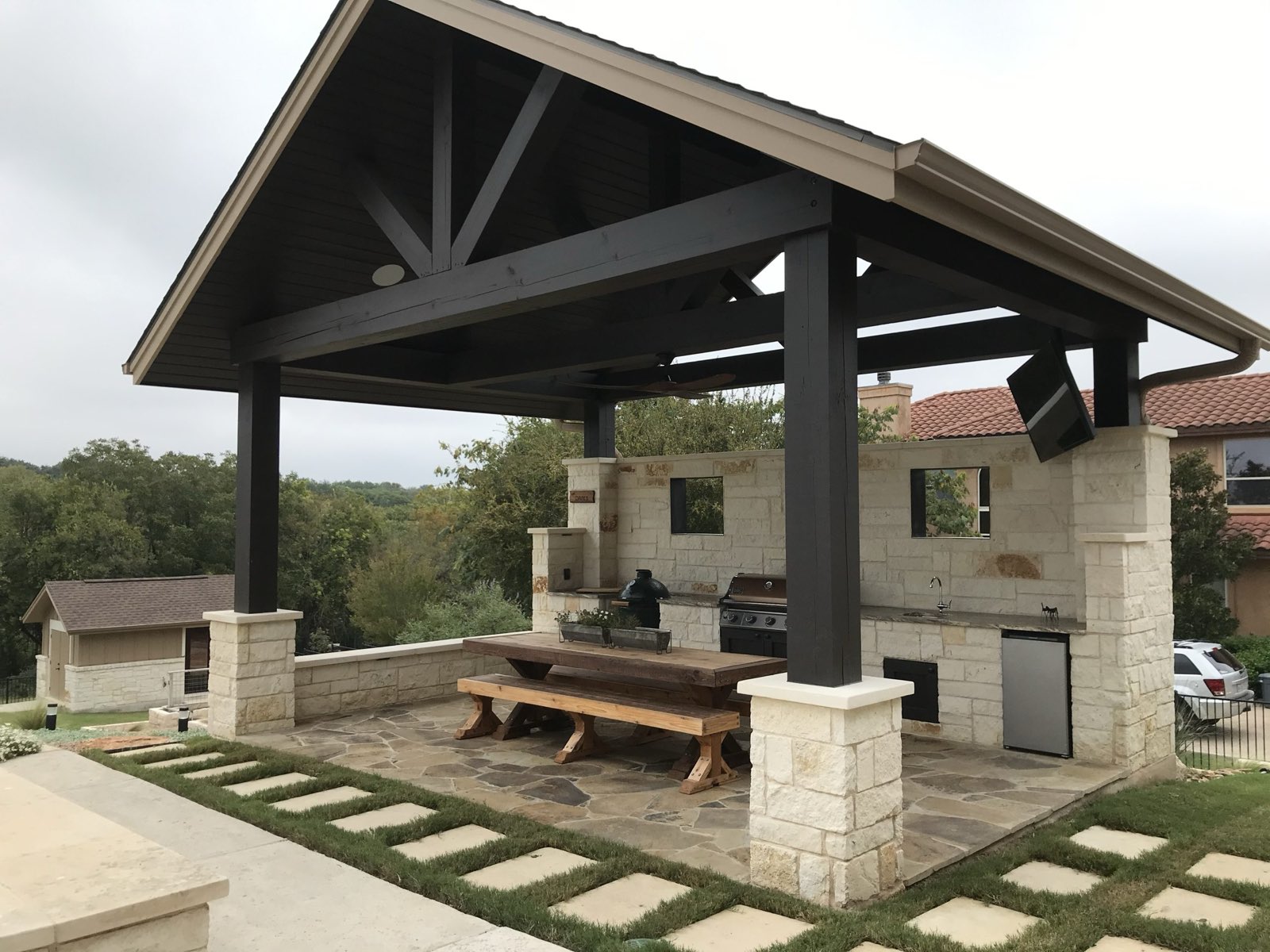
Patios and outdoor rooms.Stone patios, seating walls, and fire features see heavy use from fall through spring in Williamson County’s mild winters. Building them now means you enjoy them during the best weather.
Pathways and steps. Well designed garden paths reduce mud, protect lawn edges, and guide guests through the yard. Fall installations can be coordinated with bed cleanups and new plantings for a cohesive look.
Retaining and landscape walls. Wooden or stone walls that hold slopes, define beds, or create terraces often need inspection or reinforcement after summer storms and irrigation cycles. Repairing or upgrading in fall prevents small issues from becoming structural failures.
B&B Landscaping & Masonry’s integrated approach—handling both plants and stone—helps ensure that grade, drainage, and aesthetics work together, not against each other.
What Maintenance and Planning Steps Should Homeowners Prioritize?
How do you keep fall work from becoming overwhelming?
A practical fall checklist for Williamson County yards usually focuses on three themes: clean up, correct, and prepare:
Clean up: Remove heavy leaf layers, dead annuals, and storm debris. Check gutters and downspouts so water drains away from beds and foundations.
Correct: Address bare turf, erosion spots, compacted soil, and irrigation issues uncovered during the summer. Adjust heads and run times for cooler temperatures to avoid over watering.
Prepare: Plant bulbs and cool season annuals for spring color, add or adjust mulch, and schedule any larger hardscape projects before winter or early spring rains.
For many homeowners, the most efficient path is an annual fall service visit from a trusted local contractor who understands Central Texas soils, plants, and masonry.
Why Work with a Local Expert Like B&B Landscaping & Masonry?
What does local experience add beyond basic yard work?
B&B Landscaping & Masonry has built its reputation over more than 16 years of projects specifically in Williamson County and surrounding Central Texas communities. That experience matters because:
Design choices are climate smart. Plant and material recommendations are based on long term performance in local heat, drought, and storm patterns, not just what looks good on paper.
Drainage and grading are handled correctly. Many fall issues—mushy spots, erosion, settling—stem from unseen grade problems. A team fluent in both landscaping and masonry can solve root causes rather than just treating symptoms.
Projects are sequenced sensibly. The same crew can coordinate lawn work, planting, and stone installation so irrigation, soil prep, and access routes all support each other.
For homeowners who want their yards to work as well as they look, partnering with a contractor who treats fall as a strategic season—not an afterthought—offers the best return on investment.
Older Fall Landscaping Advice That Still Applies Today
Earlier guidance on fall landscaping in Williamson County included several points that remain fully current and useful:
Use fall to get ahead on spring color. Planting bulbs and cool season annuals now means you do not have to wait until late spring for visual interest; beds will wake up earlier and more vividly.
Choose plants for year round appeal. Incorporating shrubs, vines, and perennials with traditional fall colors and interesting textures helps your landscape avoid looking flat once summer flowers fade.
Cut back perennials correctly. Trimming many perennials after their first or final bloom encourages repeat flowering and tighter growth in summer and early fall.
Look for value when buying plants. Taking advantage of fall sales, including “2 for 1” deals at local nurseries, is still a smart way to stretch your budget while filling beds and improving structure.
Aim for lower maintenance designs. Landscapes that do not rely on thirsty turf or high input annuals remain the most practical in Central Texas, especially as water costs and restrictions rise.
Those fundamentals, combined with a thoughtful, question driven approach to your own yard’s needs, can turn fall from a clean up chore into the most strategic season of your landscaping year in Williamson County.
B&B Landscaping & Masonry in Williamson County, Texas, lives up to its moniker of being “A Step Above the Rest” by offering comprehensive landscaping and masonry services. With 16 years of experience, they provide a wide range of services, including landscape design and installation, hardscaping, patios, outdoor kitchens, fire pits, and various masonry projects like retaining walls and fencing. Whether you need a complete landscape transformation or specific masonry work, B&B Landscaping & Masonry is dedicated to delivering quality craftsmanship and customer satisfaction throughout Williamson County.