Three of the Best Medicinal Herbs to Grow in Your Garden
If you’re looking for some of the best medicinal herbs to grow in your garden that are both easy to grow and versatile, read on!
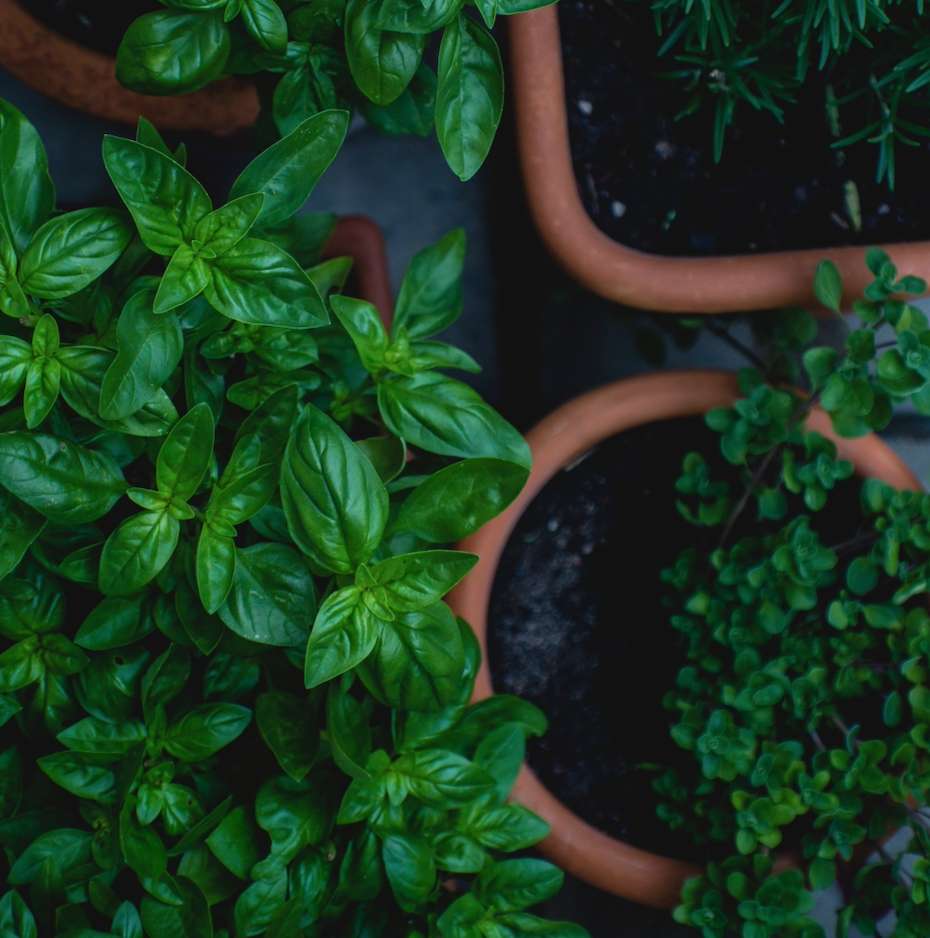
When it comes to growing medicinal herbs, we would all have our own list of medicinal herbs we’d like to grow based on our own concerns involving climate and our health, but not everyone has a green thumb. If you’re looking for herbs that are both easy to grow and are versatile and medically useful, read on!
Below are three of the best medicinal herbs that you should consider growing in your own garden!
Motherwort
One of the best medicinal herbs to consider growing is motherwort, which is considered to be a highly versatile medicinal herb. Thought to be one of the best remedies for both stress and anxiety, it is typically used as a tincture or tea to help reduce pain and address symptoms associated with muscle aches and sprains, headaches, and menstrual cramps. Motherwort has a bitter taste to it, so it is typically recommended as more of a tincture. Additionally, some women recommend motherwort to assist with the symptoms surrounding menopause, and regard it as a great aid to help ease hot flashes as well as hormone induced irritability. I can also, amazingly enough, be used during childbirth as a way to help with strengthening contractions. If you’re an expecting mother, always consult with your trusted doctor before consuming herbs!
Echinacea
Echinacea is a great medicinal herb to consider growing in your own garden due to how easy it is to grow! Not only is it easy to grow, it’s beautiful! Appearing as a purple flower, it tends to attract all sorts of butterflies and bees. Even better is the fact that it can withstand insect infestations, drought, and disease, making it a hearty plant to grow. The roots, fresh flowers, and seeds of the echinacea plant can all be made into either a tincture or tea.
Meadowsweet
Meadowsweet is an amazing medicinal herb, and only downside is that it is more native to meadows found in the continent of Europe. The flowers and leaves of this particular plant have both a flavor and aroma similar to wintergreen, which is why they are commonly taken orally for issues such as peptic ulcers, fevers, inflammation, and heartburn. Thinks TUMS, but natural! They can also be used to help with creativity, and make a delicious tea that can help with issues like arthritis. Despite being native to European meadows, meadowsweet is now starting to become more naturalized to the northeastern portion of the United States, and it is also able to spread from seed to seed!
These are just a select few of the different types of medicinal herbs that you could consider growing in your own garden for medicinal purposes for you, family or friends. Whatever you decided to try growing in your garden, have patience, and happy growing!
Frequently Asked Questions
Are motherwort, echinacea, and meadowsweet easy to grow for beginners?
Yes, all three are considered relatively low-maintenance and beginner-friendly. Echinacea in particular is known for being hardy and able to withstand drought, insects, and disease, making it a great starting point for new gardeners.
What growing conditions do these medicinal herbs need?
While specific needs vary by plant, echinacea thrives in full sun with well-drained soil and is quite drought-tolerant once established. Meadowsweet, being native to European meadows, tends to prefer moister conditions, so soil and watering needs should be considered based on which herb you’re growing.
Can these herbs attract pollinators to my garden?
Yes, echinacea in particular is known for attracting butterflies and bees with its vibrant purple blooms, making it a great addition if you’re looking to support pollinators while also growing something useful.
How are these herbs typically prepared for use?
Motherwort is commonly made into a tincture due to its bitter taste, while echinacea’s roots, flowers, and seeds can be used in either tinctures or teas. Meadowsweet’s flowers and leaves are often brewed into tea, offering a flavor and aroma similar to wintergreen.
Is it safe to consume homegrown medicinal herbs?
Herbal remedies can interact with medications or existing health conditions, so it’s important to speak with a doctor or qualified healthcare provider before consuming any herbs, especially if you’re pregnant, nursing, or managing a medical condition.
Can I grow meadowsweet in Central Texas despite it being native to Europe?
Meadowsweet has become naturalized in parts of the northeastern United States, though its adaptability to Central Texas’s hot, dry climate may be more limited compared to native or drought-tolerant options like echinacea. A local garden specialist can help you determine if your specific yard conditions will support it.
Do these herbs need a dedicated garden bed, or can they be mixed into existing landscaping?
Herbs like echinacea can easily be incorporated into existing flower beds or pollinator gardens thanks to their attractive blooms, while herbs like motherwort and meadowsweet may do better in a more dedicated herb garden area depending on their specific soil and light needs.
How long does it take for these herbs to mature and become usable?
Maturity timelines vary by plant and growing conditions, but many herbs like echinacea can take a full growing season or more to establish strong roots and reach a usable size. Patience during the first year or two often leads to healthier, more productive plants long-term.
Are these herbs perennial, meaning they’ll come back year after year?
Many medicinal herbs, including echinacea, are perennials that return each year once established, making them a low-maintenance, long-term addition to your garden. Specific hardiness will depend on your climate zone and how well-suited each herb is to local conditions.
Can B&B Landscaping help incorporate medicinal herbs into my overall landscape design?
While our primary focus is landscaping and masonry, we can help design garden beds and layouts that accommodate herb gardens alongside your broader landscaping vision. Reach out to discuss how we can help integrate functional garden spaces into your yard’s overall design.
Thank you for reading B&B Landscaping & Masonry’s blog. We’re happy to have helped you learn more about medicinal herbs that you can grow yourself!