Easy Tips for Installing Rock and Mulch in Your Outdoor Space
Revamp my yard with low maintenance rock and mulch ideas. I’ll share effective landscaping strategies for both beauty and ease in your front yard.
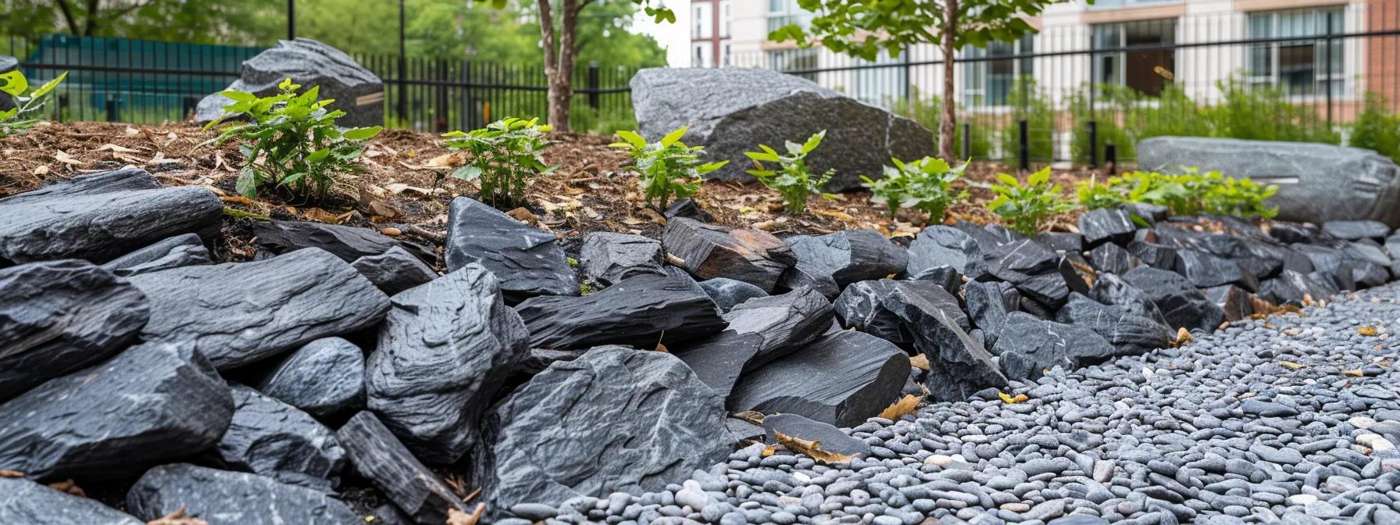
Table Of Contents:
- Rock vs. Mulch in Planting Beds – Things to Consider
- Considerations for Rock Use in Planting Beds
- Considerations for Using Mulch in Planting Beds
- Integrating Rock and Mulch for Low Maintenance Landscaping
- Comparing Functional Benefits in Planting Bed Applications
- Examining Financial Aspects for Rock and Mulch Options
- Customizing Garden Design With Rocks and Mulch
- Frequently Asked Questions
- Key Takeaways
- Final Thoughts
Rock vs. Mulch in Planting Beds – Things to Consider
The choice between rock and mulch in planting beds is pivotal for both aesthetic appeal and plant health. Homeowners and professional landscapers alike have long debated which option provides the best balance for creating visually striking landscapes while also ensuring optimal growth conditions. With factors such as drainage, soilmoisture, native species adaptability, and long-term maintenance in mind, this article provides a comprehensive analysis of both materials. Studies have shown that landscaping choices can affect soil temperature regulation, water conservation, and even plant development, making it essential to understand the practical and environmental benefits of each option. Using keywords related to hedge, lava, masonry, and native species, this article examines how rock and mulch influence plant growth, control weeds, and enhance garden design and sustainability. In addition, peer-reviewed research highlights that proper application of these materials can improve soilnutrient retention and reduce erosion. The following sections explore considerations for rock use, mulch use, integration of both, financial aspects, and garden design customization. This detailed analysis will help readers make informed decisions for their backyard, front yard, or commercial landscape projects.
Considerations for Rock Use in Planting Beds
When considering rock as an option for planting beds, the first factor to evaluate is soildrainage. Rocks, especially those with angular shapes like granite or basalt, promote rapid water drainage. This can be highly beneficial in regions prone to heavy rains, preventing waterlogged soil that might damage plant roots. Moreover, the thermal mass of rocks can help both in absorbing and radiating heat, assisting in temperature regulation within planting beds. This mechanism is particularly important for native species that undergo seasonal variations, as enhanced soil temperature stability can foster improved seedgermination and plant development.
Another important consideration is the impact of rock on surrounding soil composition. Over time, rocks slowly break down and add trace minerals back into the soil. For instance, limestone rocks release calcium, which can balance soil pH. However, the type of rock selected must be in tune with plant preferences; sand and gravel may offer a stark contrast while boulders and river rock create a refined, natural look. Additionally, rock arrangements must be strategically placed to facilitate natural drainage while providing enough space for root expansion. Landscape fabric for rocks is sometimes applied beneath the rocks to further control weed growth while still allowing water to permeate the soil. This method shows considerable promise in maintaining soilmoisture without encouraging weed infestation.
Long-term upkeep requirements for rock-based planting beds are generally lower compared to organic mulches. Unlike mulch, which decomposes and requires periodic replacement, rocks can remain in place for many years without significant alteration. Nonetheless, certain rock installations might benefit from occasional cleaning to prevent dust accumulation and algae development, particularly in humid climates. Seasonal changes can also demand adjustments in rock placement to accommodate shifting soilmoisture levels. In all, careful planning regarding rock size, type, and layout is essential to ensuring that both drainage and heat management are optimized, ultimately contributing to a sustainable, low-maintenance landscape design.
Considerations for Using Mulch in Planting Beds
Mulch remains a popular choice for planting beds due to its organic benefits and ease of application. One of the key advantages of mulch is its remarkable ability to retain moisture. Organic mulches such as woodchips, compost, and bark create a protective cover that minimizes evaporation from the soil surface. This moisture retention property is crucial in regions experiencing drought or high temperatures, ultimately supporting plant health and reducing the need for frequent watering.
In addition to moisture conservation, mulch provides significant benefits in terms of weed control. A thick layer of mulch inhibits the germination and growth of weed seeds by blocking sunlight. This natural weed barrier means that homeowners and landscapers can spend less time on maintenance and more time enjoying their outdoor spaces. Furthermore, as organic mulch breaks down, it enriches the soil with nutrients that enhance soil fertility. Over a growing season, the gradual decomposition of materials like compost or shredded leaves releases vital nutrients that encourage robust plant development. For instance, studies have shown that maintaining a 2-3 inch layer of organic mulch can boost soil nitrogen levels by up to 20% in managed landscapes.
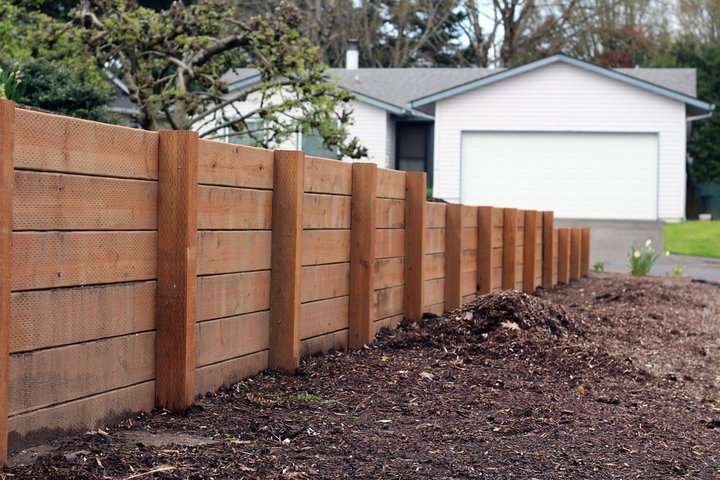
Another important factor is the aesthetic versatility of mulch. Available in diverse colors and textures—ranging from dark brown gold mulch to vibrant red cedar chips—mulch can be tailored to complement any garden design, from modern minimalism to wildflower meadows. The integration of mulch with edging devices or retaining walls can further refine the garden layout, adding visual depth and contrast to the overall design.
Mulch also plays a role in reducing soilerosion. When applied generously, mulch acts as a protective layer that minimizes surface runoff during heavy rains. This is particularly beneficial in sloped gardens or areas adjacent to walkways and driveways, where soilerosion might otherwise lead to deterioration of plant habitat. However, one must also balance the organic benefits with the need for periodic replenishment. Unlike rocks, mulch decomposes over time and will require annual or biannual replacement to maintain its effectiveness. By considering factors such as moisture retention, nutrient addition, weed control, and aesthetic appeal, mulch remains a cost-effective and environmentally friendly choice for enhancing planting bed performance.
Integrating Rock and Mulch for Low Maintenance Landscaping
Integrating rock and mulch in planting bed design can provide the best of both worlds—combining the long-term durability of rock with the organic advantages of mulch. Balancing these textures allows for a dynamic and sustainable landscape that meets various challenges such as moisture control, weed suppression, and aesthetic enhancement. The concept behind a combined approach is to use rocks as the structural backbone of the bed while applying mulch in areas where additional moisture retention or enrichment is desired. This hybrid strategy can be particularly effective in xeriscaping, where water conservation is paramount.
Balancing textures involves strategically placing larger rock elements along the borders and using mulch as the fill in the central portions of the bed. This method not only creates a visually appealing contrast between rough, natural stone and soft, decomposing organic matter but also provides a practical benefit: the rocks help to prevent rapid evaporation of moisture from the mulch. Moreover, the rock layer can protect the mulch from being washed away during heavy rainfall, thereby extending the functional life of the organic matter. Landscape design experts often recommend that combining these materials results in enhanced curb appeal and increased landscape depth.
Coordinating layout for striking curbside appeal requires careful planning. For example, a front yard might feature a central rock pathway bordered by mulch-filled planting beds that host native wildflowers and shrubs. These design elements not only define the space but also contribute to the ecological health of the area by promoting beneficial soil microorganisms and reducing overall soilerosion. In regions with high variability in weather conditions, such as parts of Maryland or Central Texas, integrating rock with mulch can optimize both drainage and moisture retention, which is key for plant survival.
Practical examples from proven front yard designs reveal that a layered approach—with a base of landscape fabric, followed by a rock border and a primary mulch cover—can reduce maintenance frequency. Homeowners can benefit from reduced need for reapplication of materials and lower overall water usage. Additionally, by adjusting to seasonal changes with combined materials, the landscaping can be easily modified to incorporate winter grain or summer drought-tolerant plants. Such adaptability ensures that the garden remains vibrant and lush throughout the year while minimizing environmental impacts. Ultimately, integrating rock and mulch creates an efficient, low maintenance, and aesthetically pleasing solution for modern landscaping projects.
Comparing Functional Benefits in Planting Bed Applications
When evaluating rock and mulch applications for planting beds, a direct comparison of their functional benefits provides clarity for decision-making. Visual appeal, maintenance frequency, long-term impact on soil health, and environmental benefits are all critical factors requiring detailed analysis. Visual appeal in landscaping is not merely aesthetic; it also influences the overall sustainability of the ecosystem by affecting soil temperature and moisture levels. For instance, dark rock such as basalt can create a dramatic backdrop that accentuates the vivid colors of flowering plants, while a bed layered with bright organic mulch can create a warm, inviting garden style.
Maintenance frequency is another key consideration. Rock installations, by their nature, demand less frequent replacement compared to organic mulch, which decomposes over time and must be replenished regularly. However, the initial investment in rock may be higher, and repositioning or cleaning the stone elements might be necessary to prevent dust accumulation. Mulch, conversely, offers the benefit of nutrient recycling, as its breakdown provides fertilizer-like benefits to the soil, but it requires periodic top-ups, typically every one to two years. In this way, the long-term cost efficiency of each option varies significantly, depending on both the upfront investment and ongoing maintenance.
The long-term impact on soil health is an essential aspect of sustainable garden design. Mulch naturally enriches the soil by releasing organic matter and nutrients, such as nitrogen and phosphorus, as it decomposes. This gradual nutrient boost can lead to more robust plant development and improved soil microbial activity. Conversely, while rock does not add organic nutrients, it can provide stability and enhance drainage, thereby reducing the risk of root rot associated with overwatering. Furthermore, certain rocks contribute beneficial minerals over time, albeit at a slower pace. Therefore, the choice between rock and mulch can be strategically optimized based on the specific soil conditions and desired plant outcomes.
Environmental benefits and resource efficiency are critical in today’s landscape design scenarios. Organic mulches, when sustainably sourced, can improve water retention and reduce the need for supplemental irrigation, supporting conservation goals. They also promote biodiversity by providing habitat for beneficial insects and microorganisms. On the other hand, rocks typically require less energy for maintenance and replacement, making them suitable for low-resource landscapes where sustainability is a priority. Recognizing that both materials have unique benefits allows for tailored applications in planting beds where different zones of the landscape may require different functionalities.
Below is a summary table comparing functional benefits between rock and mulch:
| Benefit Area | Rock | Mulch |
|---|---|---|
| Visual Appeal | High contrast, mature look | Warm, organic, colorful finish |
| Maintenance Frequency | Low; occasional cleaning needed | Moderate; requires periodic replenishment |
| Long-Term Soil Impact | Enhances drainage, mineral release | Improves fertility, soil moisture retention |
| Environmental Benefits | Low resource usage, low replacement cost | Enhances biodiversity, reduces water usage |
| Cost Efficiency | High initial cost, low ongoing cost | Low initial cost, higher recurring cost |
In comparing these benefits, the selection of rock or mulch depends on the specific operational needs of the planting bed. Landscapers might adopt a combined approach to capture the advantages of both, using rock borders for structure and mulch for nutrient contribution. Moreover, understanding the micro-environment of the garden—such as soil texture, moisture levels, and native species preferences—can drive choices that optimize both plant health and aesthetic quality. Such analysis, supported by both contemporary practices and peer-reviewed studies, ensures that every planting bed supports robust, sustainable growth while requiring minimal maintenance. This comprehensive evaluation allows property owners to achieve an efficient, high-performing landscape tailored to their region’s climatic and soil conditions.
Examining Financial Aspects for Rock and Mulch Options
A critical factor in landscaping projects is the financial aspect of material selection. Upfront investment versus ongoing costs is a key determinant when choosing between rock and mulch for planting beds. Rocks generally have a high initial cost; premium materials such as flagstone or river rock may require a significant monetary outlay due to transportation and installation expenses. However, once installed, rocks require minimal annual maintenance, reducing future expenditure. This makes rock a cost-effective option over a long period, especially in landscapes where maintenance costs need to be controlled.
Ongoing costs for mulch, while generally lower in initial price, can accumulate over time due to the natural decomposition of organic material. Mulch, often sourced from woodchips or compost, typically needs reapplication every year or two. This cycle of replenishment can result in higher cumulative expenses over the life of the garden bed. Moreover, the recurring cost is further increased if high-quality organic mulch is selected to maximize soilnutrient benefits. Some studies suggest that replacing mulch every 18–24 months can add 10–15% to annual landscaping budgets, a consideration that should be factored into long-term financial planning.
Cost efficiency through material longevity is another aspect worth assessing. Rocks offer durability and longevity that can span decades, particularly when sourced from native quarries or recycled materials. The stability and permanence of rock installations can improve the overall property value by providing a high-end visual appeal with minimal upkeep. In contrast, while the organic benefits of mulch are undeniable, its transient nature means additional labor and materials are needed to maintain the desired appearance and soil fertility over several years. A landscaper’s decision might also consider the potential return on beautification efforts, with aesthetically pleasing rock features often attracting higher property resale values.
Budget planning for sustainable upgrades requires a detailed comparison between immediate expenditures and projected maintenance costs over time. Financial analyses often reveal that, despite the lower upfront cost of mulch, the longevity and minimal upkeep of rock installations can result in a lower total cost of ownership over a 10- to 15-year period. In practice, combining both materials can also provide a balanced financial approach; for example, using rocks for high-traffic or visible border areas to reduce maintenance, while applying mulch in less critical areas to improve soil quality affordably.
Below is a table summarizing the financial aspects of using rock versus mulch:
| Financial Aspect | Rock | Mulch |
|---|---|---|
| Initial Cost | High (premium materials, installation) | Low to moderate (varying organic sources) |
| Ongoing Maintenance Costs | Minimal (cleaning every few years) | Moderate to high (annual or biannual replacement) |
| Lifespan | Decades (long-term durability) | 1-2 years per application, recurring expense |
| Return on Investment (ROI) | High (increased property value, lower upkeep) | Moderate (soil enrichment, higher replacement frequency) |
| Budget Planning Consideration | Better for long-term sustainability | Suited for short-term projects or seasonal updates |
This financial comparison highlights that the optimal choice depends not only on aesthetic and functional requirements but also on the economic framework of the planned landscaping project. Landscapers and homeowners are encouraged to perform a detailed cost-benefit analysis before material selection. In summary, the integration of rock and mulch may offer a strategic financial balance that minimizes long-term costs while maximizing both visual appeal and plant health.
Customizing Garden Design With Rocks and Mulch
Customizing garden design involves more than just selecting the right materials—it requires adapting the design to various planting bed sizes and ensuring a harmonious layout throughout the landscape. Whether designing a small urban garden or a sprawling backyard, the strategic use of rocks and mulch can dramatically enhance outdoor zones. For example, larger beds might benefit from a robust rock border that not only contains the planting area but also provides a visual anchor that enhances the overall design. In contrast, smaller beds might use delicate layers of mulch interspersed with smaller pebble accents to create an intimate setting that remains visually appealing without overwhelming the space.
Adapting design for various planting bed sizes requires a creative yet practical approach. Landscape architects recommend using different textures and colors to create a sense of depth. Rocks, available in various natural shades such as basalt, granite, and limestone, can be used to outline major garden features, while mulch provides a soft, organic background that supports growth and moisture retention. By coordinating these elements, designers can produce distinct zones within a unified landscape framework. For instance, a front yard might feature a pathway lined with flagstone interspersed with mulched planting beds containing native species and wildflowers, enhancing both the aesthetic appeal and ecological value of the space.
Enhancing outdoor zones with practical layouts also means considering regional trends that influence material choice. In Central Texas, where water conservation is a top priority, xeriscaping techniques might include the use of lava rock mixed with organic mulch to reduce irrigation needs while still promoting healthy plant development. Similarly, in regions like Maryland where seasonal changes are pronounced, a combination of rock for structure and mulch for seasonal nutrient release can create dynamic, year-round appeal. Incorporating elements such as fencing, ponds, or decorative boulders can further integrate the overall design, adding layers of texture and scale.
Gathering inspiration from successful landscaping projects is an effective way to drive creative solutions in design customization. Many renowned landscapers recommend visiting local botanical gardens or reviewing landscape design portfolios to gain insights into material combinations and layouts. Key design principles include balance, contrast, and harmony—the effective juxtaposition of hardscape elements like rock borders with the soft, flowing nature of organic mulch. This integrated approach not only addresses environmental sustainability and water efficiency challenges but also creates a visually compelling garden that stands out in any setting.
Ultimately, customizing garden design with rocks and mulch is about achieving a balance between creative aesthetics, functionality, and long-term sustainability. Homeowners and landscapers should consider the specific needs of the plants, the scale of the planting bed, and the environmental conditions of the area. By carefully planning the layout and integrating both materials effectively, one can design a garden that is both beautiful and resilient, providing a timeless outdoor sanctuary that adapts effortlessly to seasonal changes.
Frequently Asked Questions
Q: How do rocks affect water drainage in planting beds?
A: Rocks promote efficient drainage by creating spaces between pieces, allowing excess water to flow away from plant roots. This reduces the risk of waterlogging and root rot, especially in heavy rainfall areas.
Q: Can mulch improve soil fertility?
A: Yes, organic mulch decomposes over time, releasing essential nutrients like nitrogen and phosphorus into the soil. This gradual nutrient release supports robust plant growth and improves soil structure.
Q: Is it more cost-effective to use rock or mulch over time?
A: While rocks have a higher upfront cost, they require minimal maintenance and can last for decades. Mulch, despite its lower initial cost, needs periodic replacement. The overall cost-effectiveness depends on the project’s long-term maintenance budget.
Q: How can combining rock and mulch benefit a garden design?
A: Integrating rock with mulch provides both structural durability and organic nutrient benefits. This combination improves drainage, reduces weed growth, and creates visual depth, contributing to a sustainable and low maintenance landscape.
Q: What are the environmental impacts of using mulch compared to rock?
A: Mulch, when sustainably sourced, enhances soil fertility and biodiversity by supporting microbial activity. Rocks, however, are virtually maintenance-free and conserve resources over the long term. A hybrid approach often offers balanced environmental benefits.
Q: How often should mulch be replaced?
A: Organic mulch typically needs replenishment every 12 to 24 months, depending on environmental conditions and the rate of decomposition, to maintain optimal soil moisture and fertility.
Key Takeaways
- Rock use enhances drainage and provides structural stability with low long-term maintenance.
- Mulch improves soil fertility, retains moisture, and suppresses weed growth but requires periodic replacement.
- Combining rock and mulch can deliver both aesthetic appeal and functional benefits in planting beds.
- Financial analysis shows rock has higher initial costs but lower upkeep, while mulch incurs recurring expenses.
- Custom garden design should integrate both materials based on regional climate, soil conditions, and plant needs.
- Environmental benefits include improved biodiversity with mulch and resource efficiency with rock.
- Proper planning and layout can reduce overall maintenance and enhance landscapesustainability.
Final Thoughts
Choosing between rock and mulch involves assessing multiple factors including drainage, soil health, cost, and environmental impact. Each option offers unique benefits that can be tailored to individual garden needs. An integrated approach combining both materials often provides the best balance for a low maintenance, visually appealing landscape. Homeowners and landscapers should consider their specific conditions and long-term goals to make informed, sustainable choices for their planting beds.