The Natural Edge: Designing and Protecting Wooden Landscape Walls in Williamson County
Wooden Landscape Walls Williamson County. In Williamson County, Texas, where the landscape often transitions from rolling hills to suburban yards, homeowners...
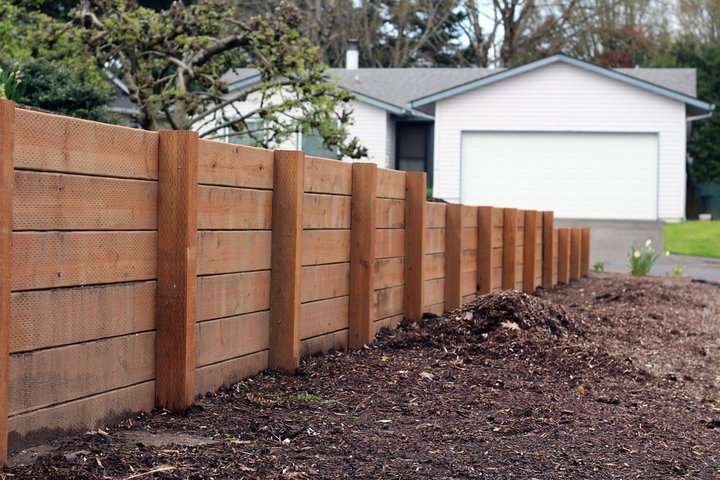
Wooden Landscape Walls Williamson County. Homeowners in Williamson County often face the same challenge: how to tame sloped, rocky Central Texas yards without sacrificing natural beauty. Wooden landscape walls—when they are properly designed and protected—offer a warm, cost-effective way to create level spaces, manage erosion, and frame outdoor living areas. This guide answers the key questions people ask before committing to wood: when it makes sense, how to design it well, and what must be done to keep it solid for years in our demanding climate.
Why Choose Wooden Landscape Walls Here?
When is Wood a Smart Alternative to Stone or Block?
Stone and concrete block are excellent retaining materials, but they are not always the right fit. In neighborhoods across Georgetown, Round Rock, Liberty Hill, Cedar Park, and Leander, wooden landscape walls are often chosen because they:
- Blend naturally with Central Texas scenery. Cedar, pine, and hardwoods echo existing trees and ranch fencing, giving yards a relaxed, organic feel.
- Lower upfront costs. Quality pressure-treated lumber is generally less expensive to install than full-masonry walls, especially on shorter or medium-height slopes.
- Allow quick, flexible construction.-Wood is easier to cut, step, and curve around patios, trees, and existing structures, making it ideal for complex backyard layouts.
Wooden landscape walls work best for low to moderate heights, decorative terraces, garden edges, and integrated seating—especially when paired with stone paths, firepits, or patios that B&B Landscaping & Masonry frequently builds alongside them.
What Design Options Do Homeowners Have?
How Can Wooden Walls Shape the Look and Function of a Yard?
Wood is surprisingly versatile. With the right design, it can support the soil and reinforce your aesthetic at the same time. Common approaches in Williamson County include:
1. Tiered Garden Walls on Slopes
Instead of one tall, imposing wall, a series of short, staggered walls creates terraces:
- Slows stormwater runoff and reduces erosion on steep Central Texas slopes.
- Provides multiple planting bands for native, drought-tolerant plants like lantana, sages, yucca, and succulents.
- Visually softens elevation changes and gives you more usable flat space for paths or seating.
2. Built-In Seating and Planter Walls
Low, thick wooden walls can double as permanent bench seating around patios or firepits. When topped with smooth cedar caps, they are comfortable for sitting and visually tie together decks, planters, and outdoor kitchens. Elevated planter boxes integrated into the face of a wall are ideal for herbs, vegetables, or seasonal color close to gathering areas.
3. Rustic Log or “Railroad Tie” Looks
For acreage or farmhouse-style homes, chunky timbers or modern, properly treated ties deliver a rugged, ranch-inspired feel. These work well for defining large planting beds, driveway edges, or transitions between lawn and native areas. Professional guidance is crucial here, because traditional creosote-soaked ties have environmental and handling concerns; modern materials that mimic the look but use safer treatments are often preferred.
4. Modern Vertical Board Walls
In newer subdivisions with more contemporary architecture, vertical cedar or pressure-treated boards installed in a retaining wall system offer a sleeker appearance—almost like a hybrid between a fence and a low wall. Clean lines and consistent spacing create a strong backdrop for minimalist landscaping and modern patio furniture.
Each of these designs can be tailored to match surrounding masonry, fencing, or siding, which is where an experienced landscape mason adds real value.
How Should Wooden Landscape Walls Be Built in Central Texas?
What Construction Details Matter Most for Strength and Safety?
The difference between a wall that lasts two years and one that lasts twenty rarely comes down to the type of lumber alone. It is mostly about structure and drainage. In Williamson County’s clay-heavy, sometimes expansive soils, best practice typically includes:
- Proper footing and posts. Vertical posts or deadmen (anchors that extend back into the slope) must be set in concrete below the frost line and engineered to resist soil pressure. Simply stacking timbers without real anchoring is a recipe for bowing and failure.
- Stepped or battered walls. Walls are often built so that each course steps back slightly into the slope (“batter”), improving stability and appearance.
- Use of pressure-treated lumber. Structural components should be rated for ground contact, with naturally rot-resistant species like cedar used where people sit or touch surfaces frequently.
Homeowners should be wary of purely cosmetic walls that ignore these structural basics; once saturated soils push against them, repair costs can exceed the original price of doing the job correctly.
How Do You Protect Wood from Moisture and Rot?
What Drainage and Moisture Barriers are Essential?
Central Texas can swing from drought to sudden, heavy downpours. Wooden retaining walls must manage water intelligently to stay sound:
- Gravel backfill: Instead of packing soil directly against the timbers, an experienced installer backfills with free-draining gravel, which relieves hydrostatic pressure and moves water downward efficiently.
- Drainpipe behind the wall: A perforated drain line wrapped in fabric typically runs along the base behind the wall and out to daylight. This allows water to exit rather than pool and push the wall forward.
- Non-permeable membrane: Heavy plastic sheeting or similar barrier is fixed to the back of the timbers, separating constantly damp soil from the wood. Even treated lumber will eventually fail if it stays wet all the time; the barrier helps the wall dry between storms.
- Weep gaps or outlets: On shorter walls, intentional gaps or “weep holes” between boards or timbers at the base may supplement the drain line, giving surface water an easy path out.
When these measures are installed correctly, a wooden landscape wall in Williamson County can often provide 15–25 years or more of reliable service. Skipping them to save a little up front usually means paying more later in repairs or replacement.
What Maintenance Does a Wooden Wall Need Over Time?
How Can Homeowners Extend the Life of Their Investment?
Compared with masonry, wood does demand a bit of long-term attention, but it is manageable if you know what to watch for:
- Regular inspections: Once or twice a year, walk the wall looking for bulging, leaning, or soft spots. Early signs of movement or rot can often be corrected before a full rebuild is needed.
- Surface treatments: Above-grade faces and caps benefit from quality stains or sealants that protect against UV degradation and moisture cycling.
- Vegetation management: Deep-rooted trees or large shrubs immediately behind the wall can create pressure or introduce excess moisture. A landscape pro can recommend planting distances and species that coexist well with wood structures.
A reputable contractor will often review basic care instructions at the end of a project and may suggest periodic check-ups, especially on walls that are taller or carry significant loads.
Why Work with B&B Landscaping & Masonry in Williamson County?
What Does Local, Specialized Experience Contribute?
B&B Landscaping & Masonry has more than 16 years of hands-on experience designing and building retaining structures—wood, stone, and masonry—specifically in Central Texas conditions. That background matters because:
- They understand local soils and slopes. Many projects in Georgetown, Liberty Hill, and surrounding communities involve rocky subsoils, clay layers, and sharp grade changes. B&B’s team adjusts footing depth, drainage, and reinforcement accordingly.
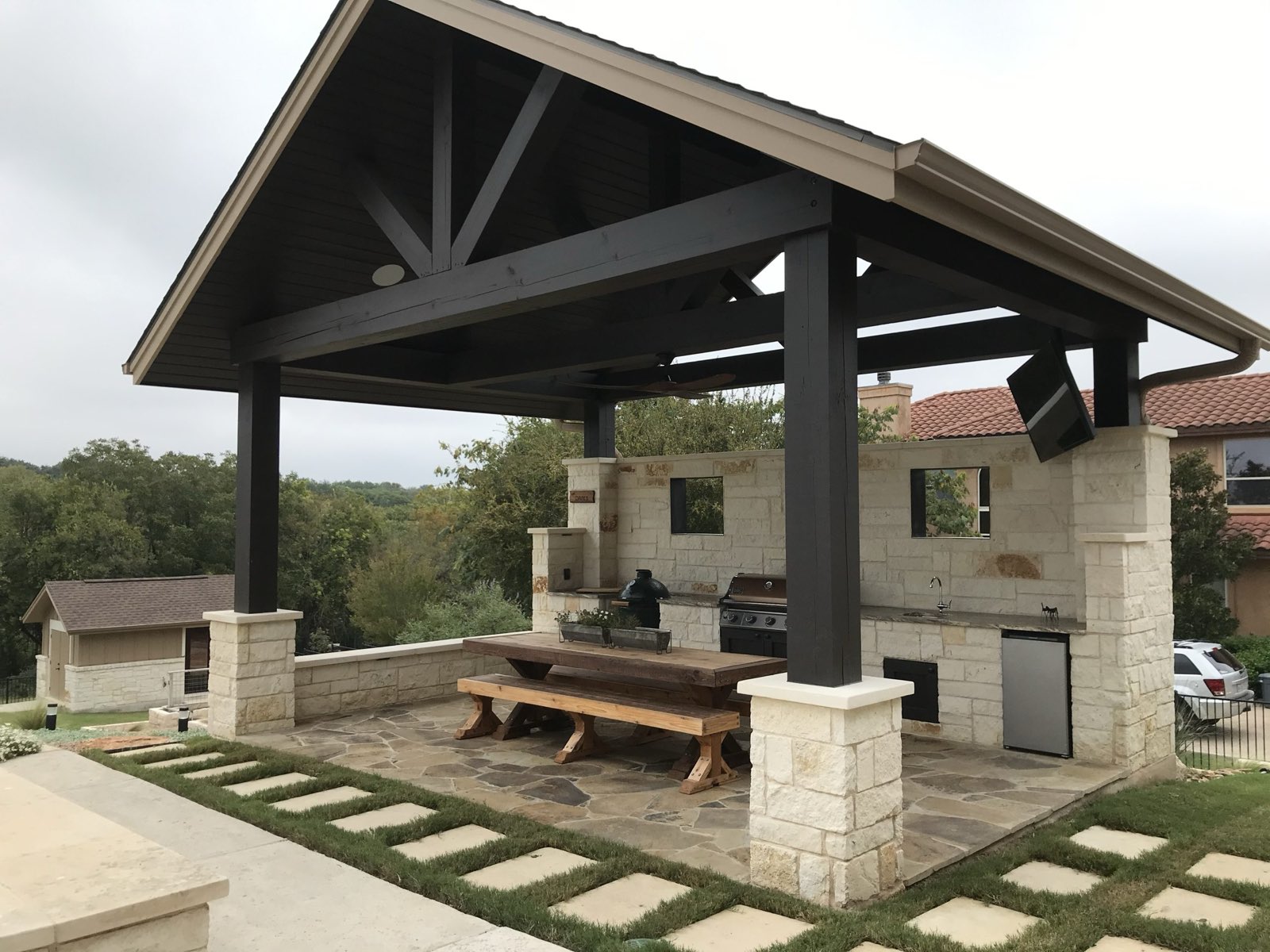
- They integrate walls into full outdoor plans. Wooden landscape walls are often built alongside patios, firepits, outdoor kitchens, or lawn replacement. A single contractor coordinating all of these elements ensures that grades, materials, and aesthetics line up.
- They focus on both structure and style. The company’s portfolio shows projects where walls don’t just hold back soil—they frame living spaces, create seating, and showcase plantings in a way that matches each homeowner’s tastes.
For homeowners in Williamson County considering wooden landscape walls, partnering with a team that treats each wall as both an engineering task and a design opportunity is the surest way to get a solution that looks natural today and still performs well a decade from now.
B&B Landscaping & Masonry in Williamson County, Texas, lives up to its moniker of being “A Step Above the Rest” by offering comprehensive landscaping and masonry services. With 16 years of experience, they provide a wide range of services, including landscape design and installation, hardscaping, patios, outdoor kitchens, fire pits, and various masonry projects like retaining walls and fencing. Whether you need a complete landscape transformation or specific masonry work, B&B Landscaping & Masonry is dedicated to delivering quality craftsmanship and customer satisfaction throughout Williamson County.