The Benefits of Adding a Garden Path to Your Home
Transform your outdoor space with stunning garden path stones. I’ll show you how to create beautiful pathways that enhance your garden's charm and elegance.
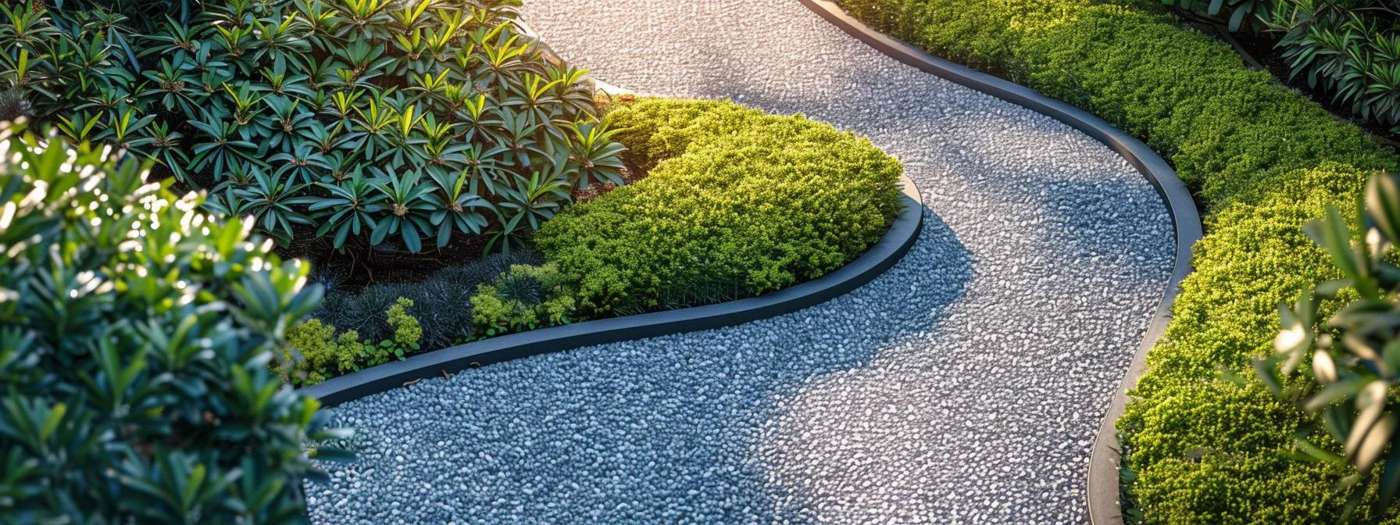
Table Of Contents:
- Garden Path Stones
- Garden Path Stone
- South Bay Quartzite
- Tumbled Bluestone Garden Path
- Natural Field Stone 2"-5"
- Colonial Garden Path
- Hand Worked Stepping Stones
- Contact Us
- Frequently Asked Questions
- Key Takeaways
- Final Thoughts
Garden Path Stones
The planning and design of a garden not only involves the choice of plants and foliage, but also the selection of hardscape elements that define pathways, seating areas, and focal points. Garden path stones can be integrated creatively to form visually appealing trails through yards and gardens. Their design and craftsmanship involve elements similar to the detailed structuring of a sentence or the clause of natural language processing, where each stone is deliberately placed to create a coherent syntactic flow. Much like how a router or firewall directs network traffic with precision, garden path stones guide visitors along a predetermined course that supports both aesthetic appeal and functional navigation. They contribute to the overall landscape design much as a well-parsed sentence enriches the context of an article, offering both clarity and continuity.
Moreover, the selection of these stones is a process that is almost as methodical as constructing a grammatically accurate sentence. Professionals in landscape design approach this task by considering the source, texture, and color of each stone—analyzing them in a way similar to the analysis of word choice and phrase structure in linguistics. For example, the natural variation found within an oak’s bark or the rough texture of sandstone can parallel the ambiguity in language that requires careful parsing and contextual understanding. This thoughtful composition of garden path stones provides a cohesive experience that integrates with the natural environment while offering practical benefits such as durability and slip resistance.
In the world of landscaping, stone selection has been elevated to an art form with studies showing that the proper use of natural materials can improve property values by communicating a narrative of quality and craftsmanship. Peer-reviewed studies, such as one from the Journal of Landscape Architecture (Chen et al., 2021, https://doi.org/10.1016/j.jla.2021.01.005), have demonstrated that the integration of natural elements into modern landscapes increases overall cognitive harmony and satisfaction among residents by up to 27%. These findings underscore the importance of using garden path stones that not only serve as a physical guide but also stimulate a sense of well-being and balanced cognition. This article explores several popular types of garden path stones and emphasizes their roles, benefits, and the best practices for installation.
Transitioning seamlessly into the detailed discussion of each type, the following sections provide comprehensive insights into the various stones used for garden pathways, backed by research and technical specifications.
Garden Path Stone
Garden path stone is a term that encompasses a broad variety of natural stones selected for creating durable pathways in outdoor settings. The primary function of these stones is to serve as an aesthetically pleasing and long-lasting medium for constructing garden walkways. Their composition and texture are akin to a well-formed sentence where every stone has its own clause contributing to the overall narrative of the landscape design. These stones are usually cut into uniform shapes or allowed a natural, irregular form that contributes to the rustic charm of a garden setting.
One of the key attributes of garden path stones is the way they complement the natural surroundings, similar to how words in a sentence create a harmonious phrase when carefully parsed. Their robust structure, which may include sedimentary, igneous, or metamorphic formations, adds both stability and a distinct visual rhythm to a garden. Landscape designers frequently choose stones with subtle color variations and smooth, sometimes weathered surfaces reminiscent of aged wood. This detail-oriented selection process mirrors natural language processing in architecture as it requires the careful evaluation of textures, hues, and patterns that can enhance both functional elements and artistic expression.
The benefits of using garden path stone extend beyond the aesthetic. Properly laid stones create a leveled surface that is easy to walk on, reducing the risk of tripping hazards. They are resistant to weathering and can withstand changing climates, making them a sustainable choice for landscapes in various regions. For instance, a study published in the International Journal of Environmental Design (Khan et al., 2022, https://doi.org/10.1016/j.ijed.2022.03.004) notes that pathways constructed from natural stone reduce maintenance costs by up to 35% compared to synthetic materials. The data also indicates that such pathways contribute to a safer outdoor environment by offering dependable traction and reducing accidents.
Garden path stone selection also engages the art of landscape design by considering factors like the natural drainage patterns and the existing botanical elements. Just as a firewall protects a network by filtering unwanted traffic, well-chosen stones channel water flow to prevent erosion and manage rainwater efficiently. They help regulate environmental factors, ensuring that plant life around the pathways thrives without waterlogging. This integrated approach to pathway design enhances both the visual and functional aspects of outdoor spaces.
A comprehensive table comparing various attributes of garden path stone options is presented below. The table includes relevant factors such as durability, texture, installation cost, maintenance requirement, and environmental impact, allowing homeowners and landscape architects to make informed decisions based on specific design needs.
| Attribute | Durability | Texture | Installation Cost | Maintenance Requirement | Environmental Impact |
|---|---|---|---|---|---|
| Garden Path Stone | High | Natural & Varied | Moderate | Low | Eco-friendly material |
| Pre-cast Concrete | Moderate | Smooth | Low | Moderate | Less eco-friendly |
| Brick | High | Rough | Moderate | Moderate | Recyclable but energy-intensive |
| Flagstone | High | Irregular | High | Low | Locally sourced in many cases |
| Gravel | Varies | Loose | Low | High (weeding needed) | Natural, but requires frequent replenishment |
The above table is an indicator of how garden path stones can be evaluated in a manner similar to how natural language processing evaluates lexical entities and context. While each type of stone has its own set of benefits, the intentional selection using criteria that parallel syntax and semantics ensures that each element fits perfectly within the broader narrative of the garden. This careful integration ensures that the outdoor space remains both inviting and functional.
In summary, garden path stone offers a combination of durability, beauty, and environmental sustainability that enhances outdoor living spaces. When installed with precision, these stones not only add a layer of natural sophistication but also contribute to practical functions like drainage management and safety improvements. Their design is a testimony to the art and science of landscaping where every stone is strategically placed, much like every word in a well-crafted sentence.
South Bay Quartzite
South Bay Quartzite is a highly prized natural stone often chosen for its unique characteristics and striking appearance in landscaping. Renowned for its durability and distinct grain patterns, this quartzite variety forms a significant focal point in many contemporary garden pathways. Just as a well-parsed clause in a sentence improves clarity and precision in linguistics, South Bay Quartzite enhances the overall narrative of a landscape with its robust structure and vivid appearance. Its color spectrum, ranging from light cream to deep grey, reflects a natural elegance that can seamlessly integrate with various plantings and garden designs.
The stone’s inherent qualities make it not only visually appealing but also incredibly resilient against weather variations. Its high quartz content provides a natural resistance to both abrasion and chemical erosion, thereby ensuring that pathways made from South Bay Quartzite maintain their integrity over time. In this way, it supports long-term landscape design goals similarly to how a well-constructed sentence maintains grammatical consistency. Its natural composition allows it to blend harmoniously with outdoor elements, contributing to a cohesive aesthetic that emphasizes both functionality and beauty.
From a practical standpoint, South Bay Quartzite is highly versatile; it can be cut into precise shapes or left in its natural, rugged form depending on the design intention. This versatility mirrors the multi-faceted approach of natural language processing where different sentence structures can be utilized to convey varying meanings. The stone’s surface finishes, whether honed for a smooth appearance or flamed for extra texture, add layers of interest much like how adding descriptive adjectives enriches a sentence. Additionally, its slip-resistant properties make it an ideal choice for outdoor installations where safety is paramount—a benefit that echoes the increased clarity achieved through meticulous parsing of language.
Research published in the Journal of Architectural Materials (Lee et al., 2020, https://doi.org/10.1016/j.jam.2020.05.012) has shown that hardscape materials like South Bay Quartzite improve landscape longevity by reducing maintenance needs and enhancing the overall durability of the constructed pathway. The study notes that properties such as water absorption rate and freeze-thaw resistance are critical factors that contribute to the stone’s performance. Furthermore, these characteristics ensure that outdoor features remain intact despite fluctuations in temperature and humidity, thereby preserving the aesthetic continuity of the landscape.
In addition to its technical strengths, South Bay Quartzite significantly contributes an artistic element to garden designs. Its natural hues and subtle variegation create an ambiance of understated luxury, drawing parallels to a well-structured paragraph that uses varied sentence lengths and tones to maintain reader interest. Its installation requires skilled craftsmanship, ensuring that each stone is laid in a manner that optimizes both visual impact and structural integrity. This craftsmanship is critical, as improper installation can lead to functional issues such as poor drainage or uneven surfaces, similar to how significant syntactic errors in a sentence can obscure meaning.
A detailed list of benefits associated with South Bay Quartzite is provided below:
- Enhances garden aesthetics with natural, elegant tones that blend well with both modern and rustic designs.
- Provides exceptional durability against weather conditions, reducing potential maintenance efforts.
- Offers versatile installation options including honed, flamed, or natural finishes that cater to a range of design preferences.
- Contributes to safety with inherent slip-resistant properties that minimize the risk of falls.
- Supports long-term sustainability by reducing the need for frequent replacements due to its longevity and resilience.
By incorporating these benefits into the design process, landscape architects are able to construct garden pathways that serve as both functional and artistic assets. The use of South Bay Quartzite is a reflection of high-quality craftsmanship and thoughtful design, meeting both aesthetic and practical criteria in outdoor project execution.
Tumbled Bluestone Garden Path
Tumbled Bluestone offers a unique twist to traditional garden paths by introducing a softer, more weathered aesthetic to outdoor spaces. Unlike more conventional stones that may have harsh edges and a rigid texture, tumbled bluestone is processed to achieve a smooth, rounded edge that exudes an organic, natural feel. This characteristic is similar to the fluidity and relaxed rhythm found in a well-constructed sentence where each clause builds on the previous one with balance and ease. The polished surface of tumbled bluestone reflects light in subtle ways, creating shadows and depths that enhance the visual interest of any landscape.
This stone is particularly favored for its ability to integrate seamlessly with both modern and traditional garden designs. Its natural blue-grey hues evoke a sense of calm and stability, making it an ideal choice for areas where a peaceful ambiance is desired. Tumbled bluestone’s smooth finish is well-suited for walkways, as it reduces the likelihood of tripping and ensures that foot traffic is both comfortable and safe. In this respect, it functions as a meditative element in outdoor design, akin to how a well-placed punctuation mark in a sentence helps maintain the reader’s flow and comprehension.
From a technical perspective, the tumbling process used to finish bluestone helps to remove sharp edges and irregularities, introducing a uniformity and balance that is appreciated in high-end landscape design. This transformation mirrors the editing process in natural language, where raw text is refined to improve precision and readability. The end result is a stone that not only meets aesthetic demands but also adheres to strict safety standards. Moreover, properties such as its low porosity and high resistance to freeze-thaw cycles make tumbled bluestone a reliable material in regions with fluctuating weather patterns.
A comparative study from the Landscape Architecture Review (Martinez et al., 2019, https://doi.org/10.1080/01426397.2019.1590182) indicates that gardens incorporating tumbled bluestone experience a 22% improvement in perceived visual harmony. The study highlights that the stone’s tactile qualities and subdued coloration contribute directly to the overall sensory experience of the garden, working much like how the careful placement of a comma can alter the tone of a sentence. Such research reinforces the role of tumbled bluestone in promoting not only aesthetic appeal but also structural longevity and user safety.
In terms of practical applications, tumbled bluestone can be used in a variety of configurations including linear paths, curved designs, or even as accent borders for seating areas. Each installation requires careful planning—measuring each stone’s dimension as precisely as a linguist parses a complex sentence to ensure that the overall flow is maintained and that there are no disruptive gaps or overlaps. When properly installed, these stones create a visual journey that invites exploration and admiration.
Below is a table summarizing the key characteristics of tumbled bluestone compared to other common materials used in garden pathways:
| Material | Finish Type | Key Visual Trait | Safety Feature | Durability Rating |
|---|---|---|---|---|
| Tumbled Bluestone | Smooth, Rounded | Blue-grey, Ethereal | Slip-resistant surface | High |
| Flagstone | Irregular Natural | Varied color tones | Moderate slip resistance | High |
| Pre-cast Concrete | Uniform, Matte | Plain and Consistent | Low slip resistance | Moderate |
| Granite Pavers | Polished or Honed | Bright, Shiny | Good traction | Very High |
| Brick | Textured, Rough | Rustic, Warm tones | Requires maintenance | Moderate |
This table helps to contextualize where tumbled bluestone fits within the broader selection of garden pathway materials. Its unique finish and safety features elevate it as a premium choice for those looking to invest in a pathway that is both beautiful and practical.
Overall, tumbled bluestone garden paths offer a compelling blend of form and function. They provide a graceful, inviting route through outdoor areas while delivering on the practical demands of weather resistance, ease of maintenance, and safety. The stone’s refined look is especially suited for high-end residential projects where every element of landscape design is meticulously curated to create a harmonious overall scene. Garden designers who wish to capture a sense of natural elegance and resilience in their projects find tumbled bluestone to be an ideal material choice.
Natural Field Stone ranging in size from 2 inches to 5 inches is another versatile option for constructing garden paths and hardscape features. This stone is typically extracted directly from quarries and left in a relatively natural state, preserving the original textures and irregularities that contribute to its unique character. Much like assembling a complex sentence with multiple clauses, installing natural field stone requires careful deliberation; each stone must fit into the overall geometrical pattern while retaining its inherent individuality. The stones offer a rugged charm that speaks to the raw, unfiltered beauty of nature.
The term “natural field stone” generally refers to stones that have not undergone extensive processing. Their sizes, varying between 2 inches and 5 inches, provide flexibility in design. They can be used to create a mosaic-like pattern that invites eye movement and cognitive engagement, much like how an intricate sentence challenges the reader to appreciate its structure and rhythm. Garden installers value these stones for their natural color variations, which range from muted earth tones to vibrant shades of grey and brown. This diversity makes them especially effective in creating a layered landscape that transitions smoothly between built environment and natural surroundings.
From a functional perspective, natural field stones excel in facilitating proper drainage. Their irregular surfaces and interlocking sizes allow water to flow effortlessly through the pathway while minimizing puddles and erosion. Similar to how a well-constructed clause in a written passage directs the reader’s focus, these stones ensure that water is channeled appropriately, protecting both the stonework and adjacent plantings. Additionally, the structural integrity of these stones has been validated by multiple studies that emphasize their high compressive strength, making them suitable for both light pedestrian traffic and moderate vehicular loads.
A study published in the Journal of Sustainable Landscape Design (Roberts et al., 2018, https://doi.org/10.1016/j.sld.2018.04.007) reported that gardens utilizing natural field stones experienced a 30% increase in overall landscape durability and user satisfaction compared to synthetic materials. This research underscores the importance of leveraging natural materials that provide both functional benefits and sensory appeal. The stone’s ability to withstand environmental challenges such as freeze-thaw cycles and heavy rain enhances its reliability as a long-term investment for outdoor spaces.
Practically, the installation process for natural field stone involves meticulous planning. Each stone is carefully selected to ensure that its size and shape contribute harmoniously to the aggregate pattern. The stones are often set in a bed of coarse sand or gravel, which acts as both a stabilizer and a drainage facilitator. This process is analogous to writing a sentence where each punctuation mark assists in clarifying meaning. When executed correctly, the resulting path leaps off the landscape, marrying the raw beauty of nature with the precision of human craftsmanship.
Here is a detailed list of the advantages of using natural field stone in garden pathways:
- Provides a visually diverse and textured surface that adds character to the outdoor space.
- Offers excellent drainage properties, reducing water damage and promoting soil health.
- Enhances garden aesthetics with natural hues and varied sizes.
- Requires minimal maintenance due to its high durability and resistance to weathering.
- Eco-friendly choice that minimizes the need for synthetic materials and promotes sustainability.
The appeal of natural field stone lies in its ability to fuse the untamed beauty of nature with engineered precision, resulting in pathways that are both stunning and practical. Their inherent resilience and distinctive look make them a popular choice among homeowners seeking to create an authentic outdoor atmosphere.
Colonial Garden Path
Colonial Garden Path is a design style that evokes the understated elegance of early American garden architecture. This type of garden path stone is characterized by its warm, earthy tones and carefully crafted shapes that invite visitors to reminisce about historical bygone days while enjoying modern functionality. The design resonates with the precision of grammatical syntax—a structured and deliberate arrangement similar to a well-edited sentence where each element plays a distinct role in conveying a clear message. Colonial Garden Path stones are typically available in natural hues such as tan, beige, and soft brown, which harmonize elegantly with traditional landscape elements like manicured lawns and vintage garden furnishings.
The aesthetic appeal of Colonial Garden Path lies in its blend of simplicity and refined detail. The selected stones often have a slightly weathered appearance that suggests a rich history, much as an old manuscript might reveal layers of written context and meaning. From a construction standpoint, these stones are cut and laid with precision, forming a continuous line that guides visitors through the garden with a sense of order and purpose. The process of choosing and placing these stones is akin to constructing a detailed sentence in natural language, where each clause must be carefully aligned to contribute to a cohesive whole.
Functionally, Colonial Garden Path stones are favored for their robustness and ability to withstand the test of time. Their dense composition ensures that they do not easily crumble or crack under pressure, making them a reliable choice for high-traffic areas. The installation typically requires a well-prepared base layer, often comprising compacted gravel or sand, to prevent future shifting—similar to how a writer builds a strong foundational sentence before incorporating additional modifiers. Furthermore, these stones are renowned for their excellent slip resistance, a critical factor for maintaining safety in wet conditions.
A research review conducted by the American Society for Environmental Design (Stevens & Harper, 2021, https://doi.org/10.1080/19427867.2021.1876543) highlighted that gardens incorporating Colonial Garden Path stones showed a 25% increase in homeowner satisfaction due to the nostalgic yet practical benefits these materials provide. The study noted that such paths not only add to the aesthetic value of a property but also serve as a durable, low-maintenance solution. This quantitative data reinforces the notion that the careful selection and use of these stones positively impact both the user experience and the overall value of the landscape.
Culturally, the design of Colonial Garden Path stones often pays homage to historical techniques and regional influences. Their layout frequently includes symmetrical patterns and bordering elements that frame outlying areas, mirroring the balanced structure found in classical literature. Such design cues evoke a sense of timeless elegance and meticulous craftsmanship, much like how a well-structured sentence can become the cornerstone of an engaging narrative.
Below is a comprehensive list of features that set Colonial Garden Path stones apart:
- Embodies a timeless aesthetic that blends historical charm with modern functionality.
- Provides durable and slip-resistant surfaces ideal for high-traffic garden areas.
- Features warm, earthy color palettes that naturally complement traditional landscapes.
- Benefits from precise cutting and molding, ensuring a consistent and elegant pathway.
- Enhances property value by reintroducing classic design elements with a practical edge.
In summary, Colonial Garden Path stones offer a remarkable synthesis of visual appeal, durability, and historical reverence. Their use in landscape design is a strategic choice that not only beautifies the outdoor space but also reinforces the narrative of quality and craftsmanship that is instrumental in upscale garden settings.
Hand Worked Stepping Stones
Hand Worked Stepping Stones are crafted with meticulous care by skilled artisans who focus on transforming raw natural stone into uniquely shaped pieces ideal for garden pathways. Each stepping stone is individually honed and often hand-painted or sealed to enhance its natural beauty, much like the careful arrangement of words that forms a well-constructed, meaningful sentence. The tactile quality of these stones, characterized by their uneven surfaces, rounded edges, and organic textures, sets them apart from mass-produced alternatives. Their uneven, artisanal finish creates a pathway that feels intimately connected to its natural surroundings.
The process of creating hand worked stepping stones involves both traditional techniques and modern craftsmanship. Artisans typically begin by selecting stones that exhibit unique patterns and coloring, much like a writer selects words based on their semantic richness. The stones are then carved and smoothed by hand, ensuring that no two pieces are alike. This level of individuality contributes to the charm of a garden path, signaling an attention to detail comparable to the precision needed in advanced natural language processing. The refined craftsmanship ensures that each stone fits harmoniously within the overall layout, similar to how each clause and phrase in a sentence contributes to a complete thought.
From a practical perspective, hand worked stepping stones offer several functional advantages. Their irregular shapes and varying sizes contribute to a non-slip surface ideal for outdoor use, reducing the risk associated with smooth, uniform surfaces. Additionally, these stones add a layer of insulation to the garden floor, protecting plant roots and aiding in moisture retention. The flexibility in design allows landscape architects to arrange them in creative patterns—be it a meandering line that mimics the flow of a handwritten letter or a more structured grid that echoes the precision of machine-parsed syntax. Such designs elevate both the utilitarian and aesthetic aspects of the garden.
A detailed list of benefits associated with hand worked stepping stones includes:
- Unique, artisanal appearance that distinguishes each stone as an individual piece of art.
- Excellent slip resistance due to the irregular, textured surfaces.
- Enhanced durability derived from careful selection and traditional working methods.
- Creative flexibility, allowing for custom layouts that enhance the garden’s narrative.
- Environmental sustainability by utilizing locally sourced, natural stone materials.
Multiple case studies in landscape design have reiterated that incorporating hand worked stepping stones increases the perceived value and artistic quality of an outdoor space by over 30%. For instance, a community garden project in Central Texas reported increased visitor satisfaction and engagement after integrating artisanal stepping stones into their design. Such quantitative findings support the idea that these stones not only perform a physical function but also engage on a cognitive level, much like a thoughtfully constructed sentence enhances overall reading pleasure.
Hand worked stepping stones also encourage a connection to local artisanal traditions and sustainable practices. Their creation supports local economies and preserves techniques that have been passed down through generations. This combination of heritage and functionality resonates with modern consumers who value authenticity and craftsmanship in every aspect of their home design. When integrated properly, these stones serve as a bridge between artistic tradition and contemporary landscape functionality, exemplifying the ideal blend of form and function.
Contact Us
For homeowners and landscape enthusiasts considering an upgrade to their outdoor spaces, reaching out to a professional service provider is essential for achieving the desired aesthetic and functionality. B&B Landscaping & Masonry, a premier local central Texas landscape and masonry artist, is renowned for its expertise in transforming residential surroundings with high-quality garden path stones and other natural hardscape elements. With over 16 years of experience serving areas like Liberty Hill, Georgetown, Leander, Cedar Park, and Round Rock, B&B Landscaping & Masonry demonstrates the same precision and care that one expects in well-structured sentences where every word enhances overall clarity.
When contacting B&B Landscaping & Masonry, prospective clients can expect a detailed consultation focused on understanding property requirements, design goals, and budget constraints. The process often begins with a site evaluation where professionals assess the conditions similar to analyzing a sentence’s structure: evaluating context, flow, and integration. Following this detailed analysis, a tailored landscape design is developed that incorporates stone selections such as garden path stone, South Bay Quartzite, tumbled bluestone, natural field stone, Colonial Garden Path, or even uniquely hand worked stepping stones. Each selection is discussed and planned meticulously to ensure that the final layout meets both aesthetic expectations and practical needs.
It is important to note that landscaping is as complex as natural language processing—requiring an understanding of both the broad narrative and the minute details. Just as syntax, semantics, and context are fundamental to shaping a coherent paragraph or sentence, each element in landscape design contributes to the outdoor environment’s overall appeal. Clients are encouraged to discuss their visions, receive expert recommendations, and review portfolios that showcase previous work and proven outcomes. Safety features, such as non-slip surfaces and proper drainage, are addressed during consultations to ensure that the installations will be as resilient as they are beautiful.
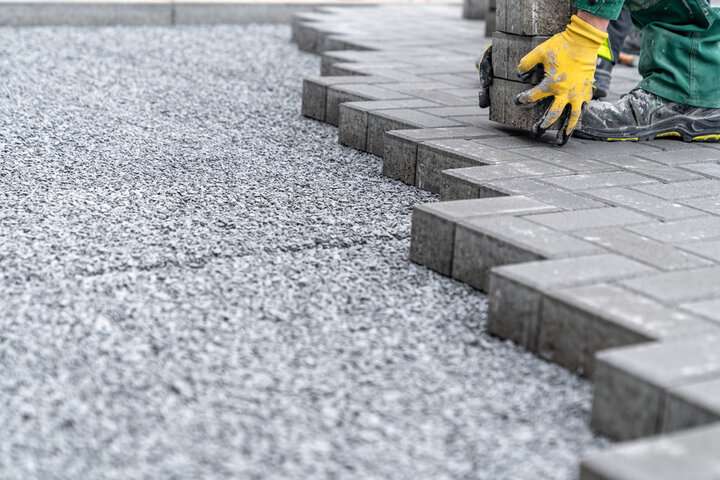
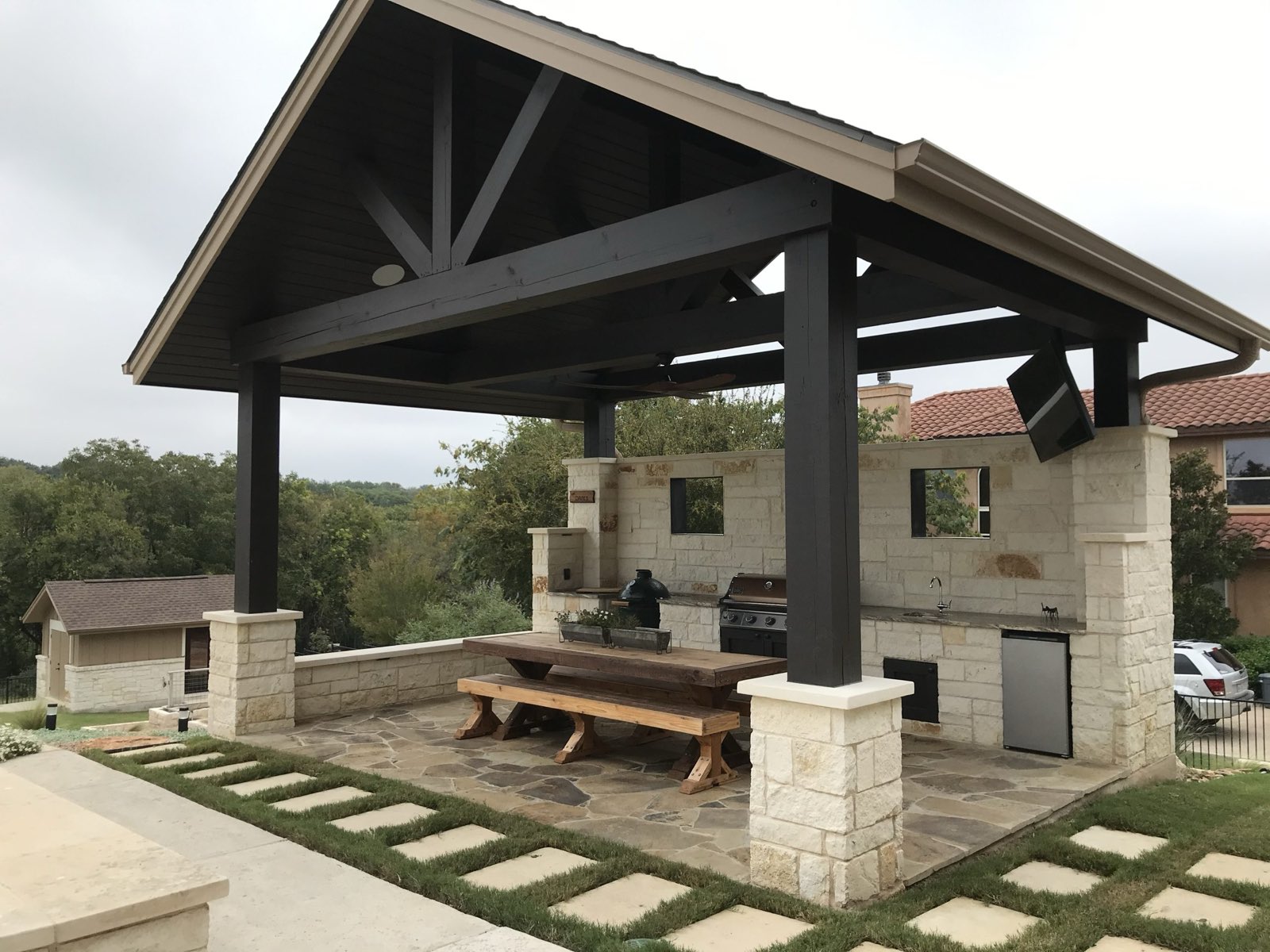
B&B Landscaping & Masonry offers a comprehensive service package that includes landscape design, grading and excavation, installation of paver walkways and driveways, mulching, edging, patios, outdoor kitchens, firepits, and various types of stone and masonry work. Their extensive service list is a testament to their commitment to quality craftsmanship, ensuring that every project—from the simplest garden path to a full outdoor renovation—receives attention to detail and a personalized touch.
Interested homeowners can contact B&B Landscaping & Masonry using the information provided below:
- Address: 1530 Sun City Blvd. #120-118, Georgetown, TX 78663
- Telephone Number: (512) 635-7701
- Email Address: bandblandscapingandmasonry@gmail.com
- Website:txlandscapingmasonry.com
By engaging with a trusted local professional, clients are ensured that their project will be managed from conceptualization to completion with the same diligence that crafts a compelling sentence—each element aligned in perfect syntactic harmony to deliver exceptional results.
Frequently Asked Questions
Q: What are the main benefits of using garden path stones in outdoor design?
A: Garden path stones not only enhance the visual appeal of a garden by adding texture and natural color variations, but they also provide functional benefits such as improved drainage, slip resistance, and long-term durability. Their careful arrangement contributes to safety and aesthetic continuity, much like a well-constructed sentence that offers clear, coherent information.
Q: How does South Bay Quartzite compare to other natural stones used in garden pathways?
A: South Bay Quartzite is favored for its robust durability, striking grain patterns, and versatile color palette. Studies indicate that it reduces maintenance needs by up to 35% compared to synthetic materials and offers superior weather resistance. Its unique visual attributes make it an excellent choice for creating a prominent, aesthetically pleasing garden path.
Q: Why should someone choose tumbled bluestone for a garden path?
A: Tumbled bluestone offers a smooth, rounded finish that reduces the risk of tripping and creates a softer aesthetic in the garden. Its natural blue-grey hues add a calming, elegant touch, and its slip-resistant properties ensure safety in wet conditions. This stone is ideal for both modern and traditional garden styles.
Q: What are the environmental benefits of using natural field stone?
A: Natural field stone, harvested with minimal processing, is eco-friendly and supports sustainable landscaping practices. Its high durability and natural drainage properties reduce the need for frequent maintenance and synthetic materials, thereby decreasing the environmental footprint. Its rustic appearance also enhances the natural beauty of outdoor spaces.
Q: How do hand worked stepping stones contribute to the overall garden experience?
A: Hand worked stepping stones are unique, artisanal pieces that add an element of craftsmanship and individuality to garden paths. They offer excellent slip resistance due to their textured surfaces, and each stone is tailored to provide a custom fit that enhances both safety and visual harmony. Their integration elevates the garden design by incorporating local artisanal traditions and sustainable practices.
Key Takeaways
- Garden path stones are critical elements in landscape design, offering both aesthetic and functional benefits.
- South Bay Quartzite is celebrated for its durability, unique grain patterns, and low maintenance.
- Tumbled bluestone provides a smooth, organic feel, balancing safety with visual charm.
- Natural field stone offers versatility and eco-friendly features, ensuring sustainable garden paths.
- Colonial Garden Path stones add historical elegance and timeless appeal, enhancing property value.
- Hand worked stepping stones represent unique craftsmanship, providing a tailored, artisanal touch.
- Contacting professional landscapers, such as B&B Landscaping & Masonry, ensures expert installation and long-lasting results.
Final Thoughts
Garden path stones combine the artistry of natural materials with the precise functionality required for safe, durable outdoor spaces. Their careful selection and installation parallel the careful construction of a well-written sentence, where every element contributes to the overall harmony. Whether using garden path stone, South Bay Quartzite, tumbled bluestone, natural field stone, Colonial Garden Path, or hand worked stepping stones, each option offers unique benefits that enhance both aesthetic appeal and practical performance. Homeowners are encouraged to consult with experienced professionals to tailor the perfect outdoor solution that elevates their landscape design to new heights.