About Dry-Laid And Mortared Flagstone
About Dry-Laid And Mortared Flagstone - B&B Landscaping & Masonry. Williamson County Landscaping.
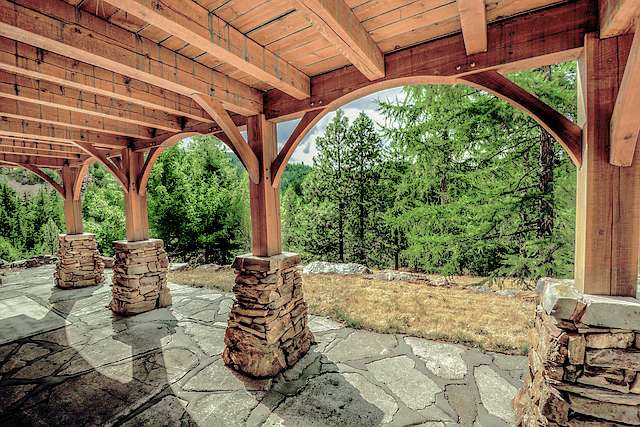
- Laid on a dry bed of gravel and sand
- Mortared to an already-existing concrete slab
Dry-Laid Flagstone
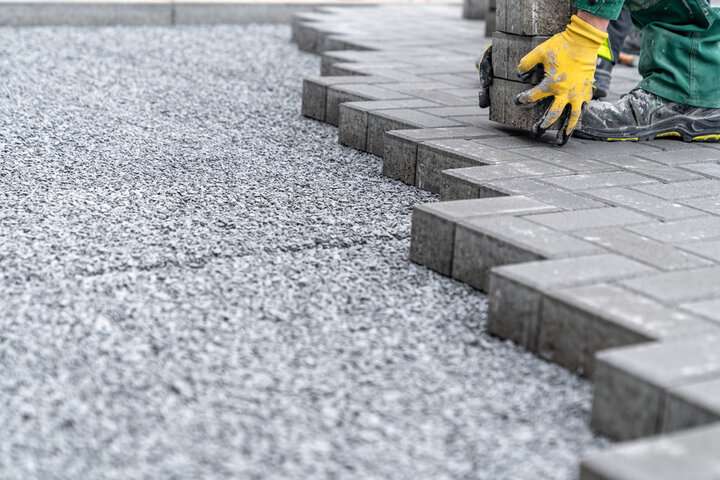
This method of installing flagstone simply involves the flagstone pieces being placed on a bed of gravel and sand, as previously mentioned. Experts recommend that a walkway or patio base be approximately 3 inches deep, as well as filled with a layer of gravel that has been compacted and covered with coarse sand. From there, the flagstone will then be placed in a pattern determined by the homeowner. The pattern will begin at the perimeter and will work inward. If large stones will be used, these should be placed in a more strategic manner at either doorway entrances or the bottoms of steps, as this will help to ensure that more highly-trafficked areas contain more stability. After the stones have been placed, the joints will then be filled with sand before either being planted with ground over or mortared.Mortared Flagstone
This installation method for flagstone involves flagstone pieces being permanently set to a prepared sub base with mortar. In order to use this specific installation method, wet mortar will need to be applied in one of the following ways:- Directly on a subbase made of compacted sand and gravel
- An already-existing concrete slab
- Joints that are located over a dry bed are able to be filled with sand, or they may be planted between with groundcover.
- Joints that are located over a dry bed may be mortared in order to achieve a surface that is both solid and smooth.
- Joints that are located over a concrete base may be mortared.
Frequently Asked Questions
What’s the difference between dry-laid and mortared flagstone?
Dry-laid flagstone is placed on a compacted bed of gravel and sand without any permanent bonding agent, while mortared flagstone is set with wet mortar onto either a prepared subbase or an existing concrete slab. Dry-laid installations offer more flexibility and natural drainage, while mortared flagstone creates a more permanent, solid surface.
Which installation method is better for a patio, dry-laid or mortared?
The best method depends on your goals — dry-laid flagstone is often preferred for a natural, rustic look with better drainage, while mortared flagstone provides a more stable, seamless surface ideal for high-traffic areas. We can help you determine which approach best fits your patio’s use and your home’s overall style.
How deep should the base be for a dry-laid flagstone patio?
Experts recommend a base depth of approximately 3 inches, consisting of compacted gravel topped with a layer of coarse sand. This foundation helps ensure the flagstone remains stable and properly supported over time.
Can flagstone be installed over an existing concrete slab?
Yes, mortared flagstone can be applied directly to an existing concrete slab using wet mortar, making it a great option for updating an older concrete patio without a full tear-out. This method also works well when installing over a properly prepared subbase of compacted sand and gravel.
What can be used to fill the joints between flagstone pieces?
Joint filling options depend on the installation method and desired look. Dry-bed joints can be filled with sand or planted with groundcover for a natural appearance, while joints over a dry bed or concrete base can also be mortared for a smoother, solid surface.
Is dry-laid flagstone a good option for high-traffic areas?
Larger, more strategically placed stones are typically used at doorway entrances and the bottoms of steps to provide additional stability in high-traffic zones. For areas with heavier foot traffic, a professional can help determine the best stone placement and joint-filling method to ensure long-term durability.
Can groundcover be planted between flagstone joints?
Yes, joints located over a dry bed can be planted with groundcover instead of sand, creating a softer, more natural look that blends the hardscape with surrounding landscaping. This option works particularly well for walkways or sitting areas that see less foot traffic.
How long does flagstone installation typically take?
Installation timelines vary depending on the size of the project, the chosen installation method, and site preparation needs. We’ll provide a more specific timeline once we’ve assessed your space and discussed your design preferences during a consultation.
Which flagstone installation method requires less maintenance over time?
Mortared flagstone with mortared joints tends to require less ongoing maintenance since the surface is more solid and less prone to shifting or weed growth between stones. Dry-laid flagstone with sand or groundcover joints may need occasional refreshing but offers easier repairs if individual stones need to be reset.
Can I use colored grout with flagstone instead of standard mortar?
Yes, when using the mortared installation method, joints can be filled with colored grout instead of traditional mortar to better match your home’s aesthetic or add a decorative touch. This is a popular option for homeowners looking to customize the overall appearance of their patio.