Metal vs. Wood Fencing in Central Texas: Which Lasts Longer in the Texas Heat?
Compare metal and wood fencing in Central Texas. Learn the pros, cons, costs, durability, maintenance needs, and best options for your property.
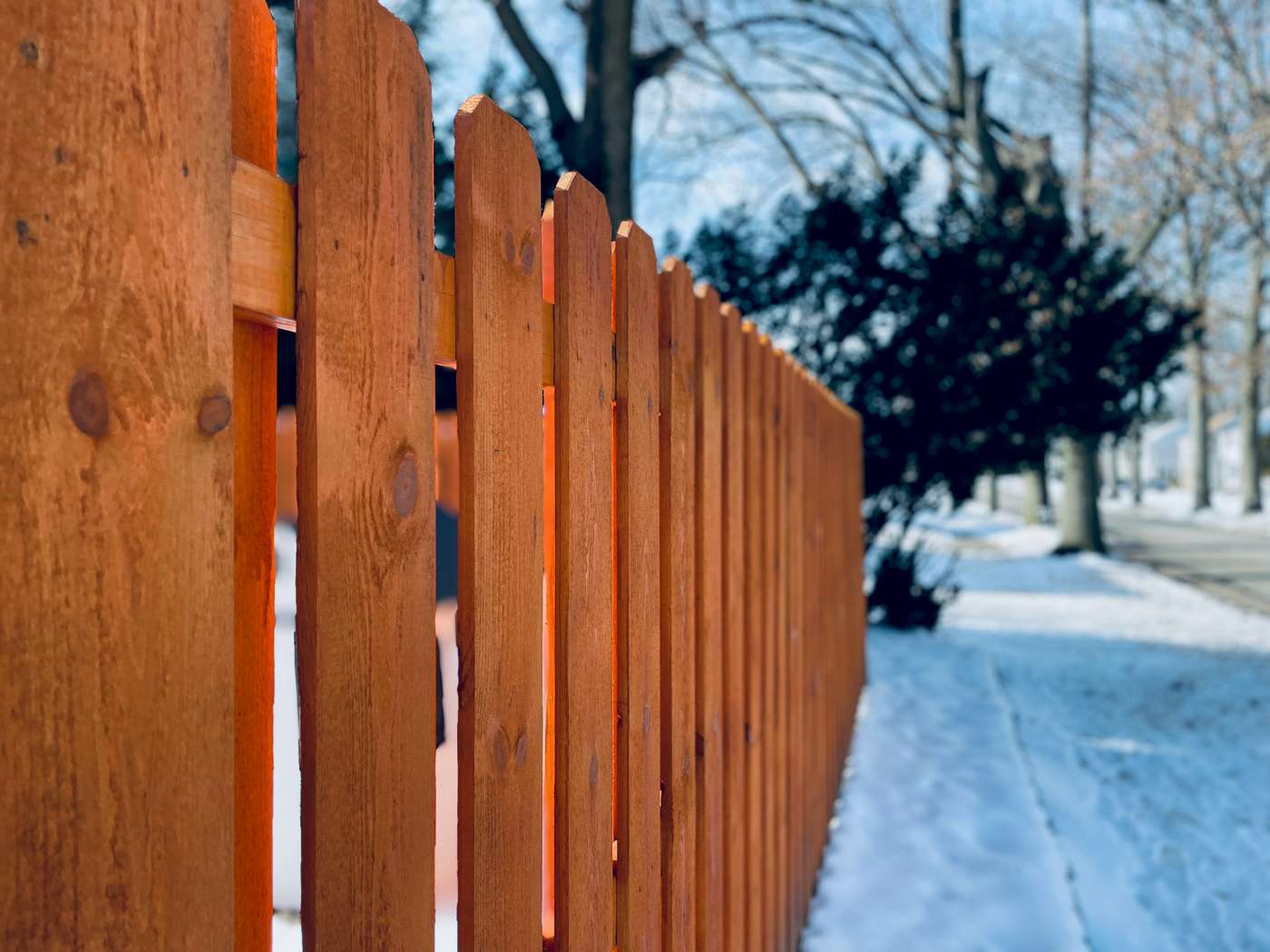
Choosing between metal and wood fencing is one of the biggest decisions Central Texas homeowners face when it is time to replace an old fence. Both materials have their place, but the Texas climate amplifies their differences over time.
The Central Texas Climate Challenge for Fences
Central Texas fences face intense UV exposure, large temperature swings, periods of drought, and heavy storms that can stress posts and panels. High heat and humidity accelerate rot and warping in wood, while strong winds and saturated soil can push weak posts out of alignment.
Metal fences also work hard in these conditions, but quality coatings and corrosion‑resistant construction can dramatically reduce the risk of rust and structural failure. As a result, the climate tends to widen the performance gap between well‑built metal and basic wood fences.
Pros and Cons of Wood Fencing
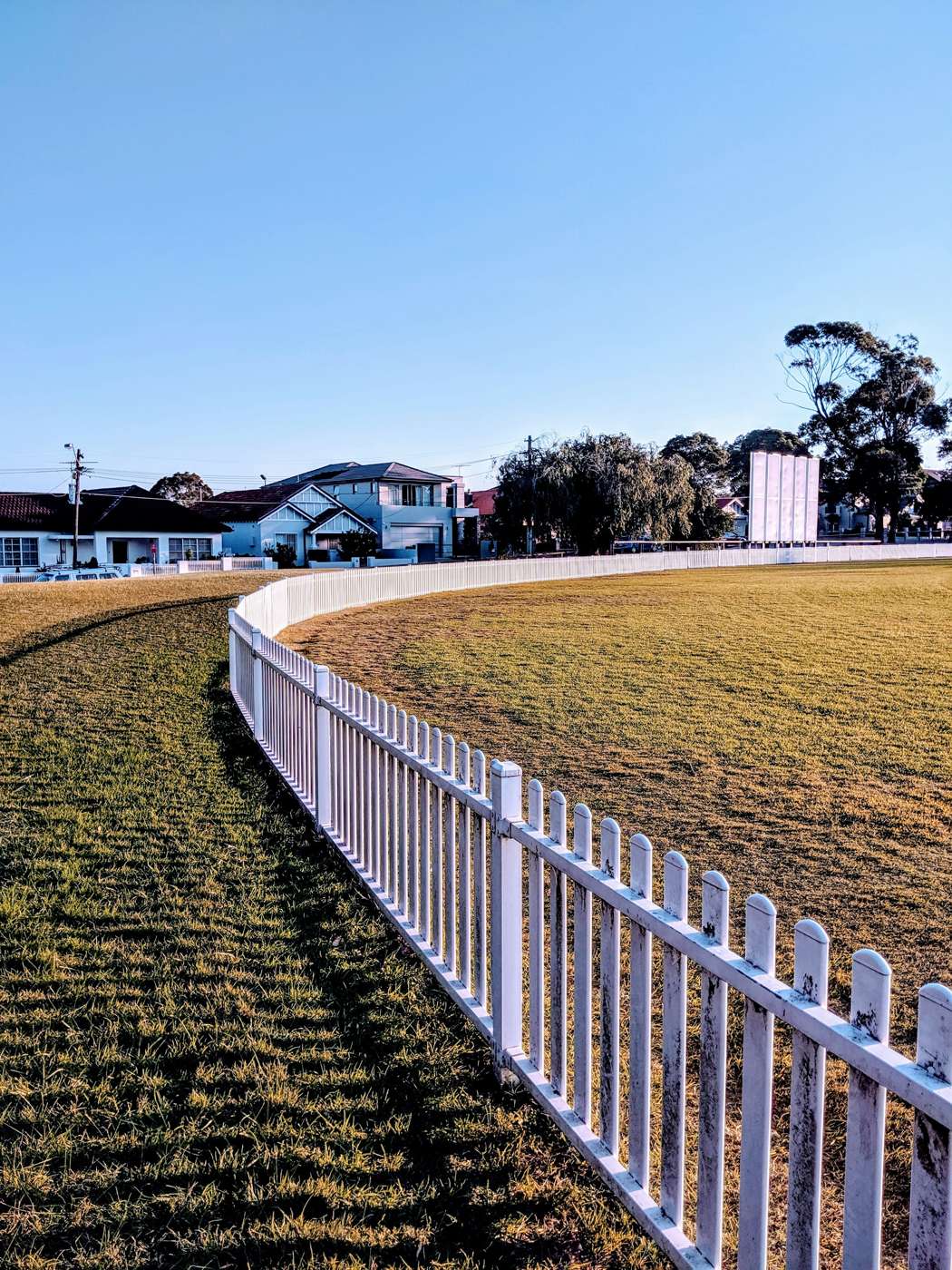
Wood fencing remains popular because it is familiar, relatively affordable at the outset, and can provide solid privacy. It is easy to stain or paint, and repairs to individual pickets or rails are straightforward in many cases.
However, in Texas, wood fences typically need more frequent maintenance and have shorter lifespans due to rot, insect damage, warping, and splitting. That means more repairs, more replacements of sections, and usually a full replacement sooner than most homeowners expect.
Pros and Cons of Metal & Iron Fencing
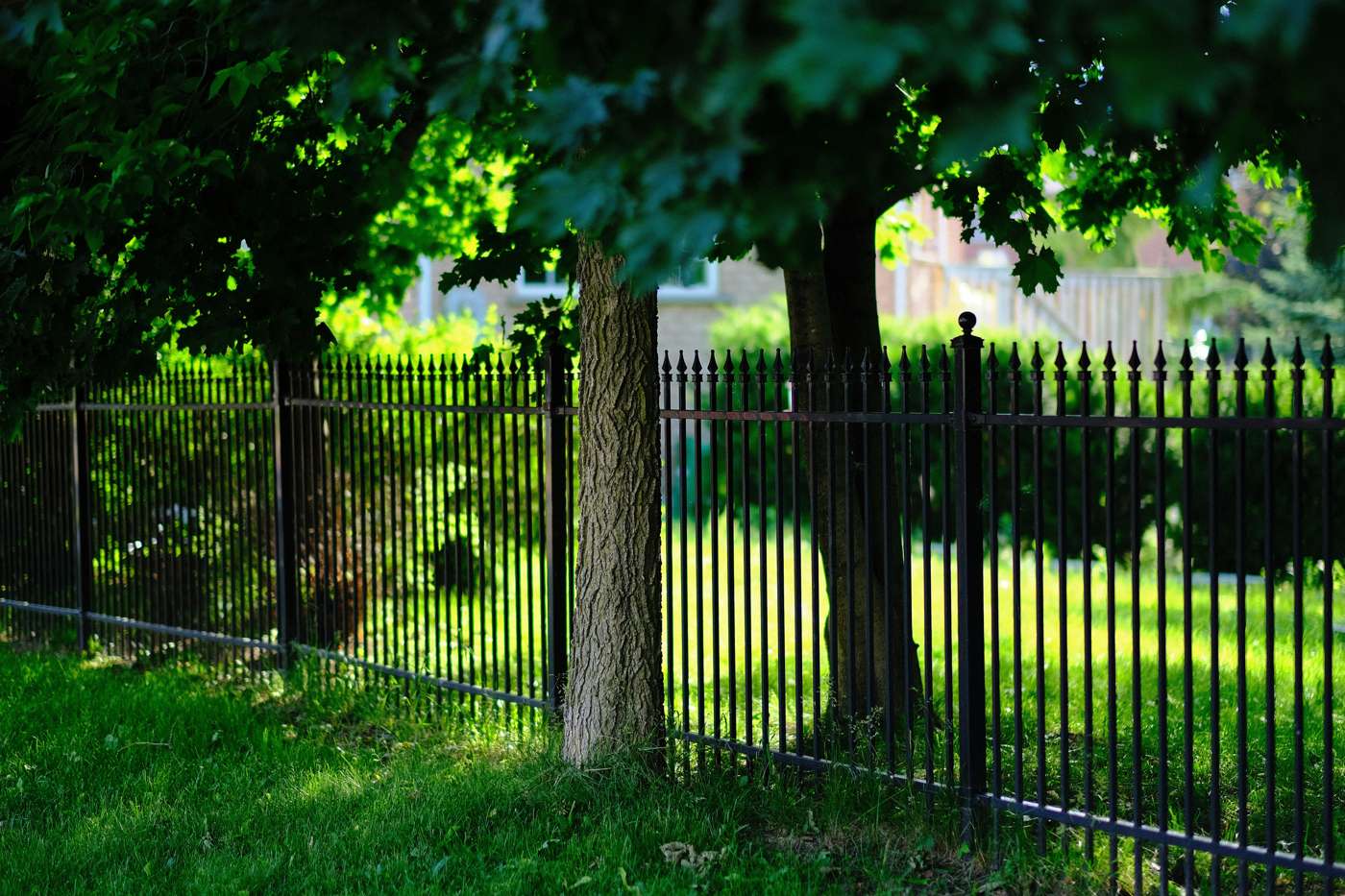
Metal fences cost more upfront than basic wood but deliver significantly better longevity and structural stability when installed correctly. With protective coatings and routine cleaning, they resist rot, insect damage, and many of the moisture‑related problems that plague wood.
Their open design makes them ideal when you want visibility and security without completely blocking views, and they often add more curb appeal and perceived property value. The trade‑off is that you will rely more on landscaping or other elements if you want complete privacy.
Long‑Term Cost Comparison in Williamson County
Initial bids for a metal fence are usually higher than those for a simple wood fence of the same length and height. But when you factor in the cost of frequent repairs, staining, and eventual replacement, many homeowners find the lifetime cost of a metal fence compares very favorably.
In neighborhoods where curb appeal and property value matter, a well‑designed metal fence can also help your home stand out when it is time to sell. If you plan to be in your home for long enough, the longer service life and lower maintenance demands of metal can outweigh the higher initial investment.
Which Fence Is Right for Your Property?
If your top priority is complete privacy on a tight budget, a wood fence may still be the right choice, especially in areas sheltered from severe weather. If you want durability, lower maintenance, and a more polished look that aligns with Central Texas climate realities, metal fencing is often the better long‑term solution.
The best way to decide is to have a fence professional evaluate your existing fence, soil conditions, sun exposure, and design goals so you can compare real options and quotes side by side.
Frequently Asked Questions
Which lasts longer in Texas heat, metal or wood fencing?
Metal fencing generally outlasts wood in Central Texas, thanks to its resistance to rot, insect damage, and warping caused by intense heat and humidity. Wood fences tend to require more frequent repairs and often need full replacement sooner than homeowners expect.
Why does wood fencing deteriorate faster in Central Texas?
The combination of intense UV exposure, high heat, humidity, and periodic heavy storms accelerates rot and warping in wood fencing. Saturated soil during storms can also push posts out of alignment, further shortening a wood fence’s lifespan.
Is metal fencing more expensive than wood fencing?
Metal fencing typically has a higher upfront cost than a basic wood fence of the same length and height. However, when factoring in the cost of frequent wood repairs, staining, and earlier replacement, many homeowners find metal fencing compares favorably over its lifetime.
Does metal fencing provide the same privacy as wood fencing?
Not typically. Metal fencing has a more open design, which is great for visibility and security but offers less complete privacy compared to a solid wood fence. Homeowners wanting full privacy with metal fencing often pair it with landscaping elements like hedges or screening plants.
How much maintenance does metal fencing require compared to wood?
Metal fencing generally requires much less maintenance, needing only routine cleaning and occasional attention to protective coatings. Wood fencing, on the other hand, typically needs regular staining, sealing, and picket or rail repairs to stay in good condition.
Can wood fencing still be a good choice for my property?
Yes, wood fencing can still make sense if complete privacy is your top priority and you’re working with a tighter budget, especially in areas somewhat sheltered from severe weather. It’s a good option for homeowners prioritizing initial cost over long-term durability.
Does metal fencing add more value to my home than wood?
Metal fencing often adds strong curb appeal and can positively influence perceived property value, particularly in neighborhoods where a polished, durable look matters to buyers. Its longer lifespan also means less risk of a worn-down fence detracting from your home’s presentation at resale.
How does Central Texas weather affect fence posts specifically?
Strong winds combined with saturated soil during heavy storms can push weak or improperly set posts out of alignment, regardless of fence material. Proper post installation and material choice both play a role in how well your fence holds up over time.
What factors should I consider when choosing between metal and wood fencing?
Key factors include your budget, how long you plan to stay in your home, your privacy needs, and how much maintenance you’re willing to commit to over time. A fence professional can evaluate your soil conditions, sun exposure, and design goals to help you compare real options.
How do I know which fence type is right for my specific property?
The best approach is to have a fence professional assess your existing fence, soil, and site conditions, then walk you through the trade-offs between materials based on your goals and budget. This allows you to compare accurate quotes and long-term cost projections before making a decision.