Creating Central Texas Comfort: Firepit Landscaping in Williamson County
Backyard Firepit Landscaping Williamson County. The Central Texas region, including Williamson County, is known for its mild winters and beautiful evenings...
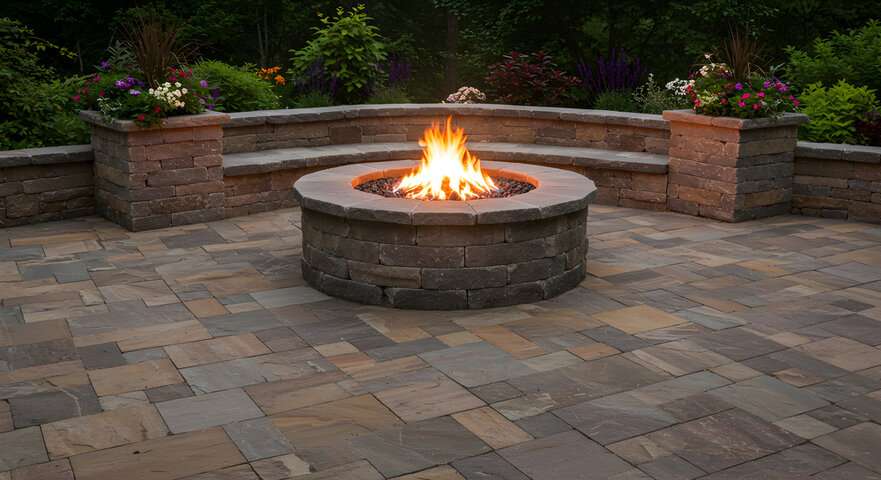
Backyard Firepit Landscaping Williamson County. A well designed backyard firepit can turn a plain Central Texas yard into a true second living room—one that actually gets used on cool evenings, holidays, and casual weeknights. In Williamson County’s mild climate, a fire feature extends outdoor season far beyond summer and quickly becomes the natural place for family conversations, marshmallow roasting, and relaxed entertaining.
Where Should a Backyard Firepit Go in a Williamson County Yard?
How Do You Pick a Safe, comfortable location?
Choosing the right location is the single most important decision in any firepit project. In Central Texas, that choice has to balance safety, wind, views, and how you actually live outdoors. An experienced landscape mason typically looks at:
Clearances from structures and trees. Most guidelines recommend keeping a wood burning firepit at least 20–25 feet from the house, sheds, fences, and low hanging branches, and well away from propane tanks and play structures.
Prevailing wind patterns. In Williamson County, winds can shift quickly. Positioning the pit so smoke drifts away from main seating areas, outdoor kitchens, and doorways avoids constant eye stinging and soot on patios.
Existing grade and drainage. Flat, well drained spots are ideal. On sloped lots in Georgetown, Liberty Hill, or Leander, the area may need minor grading, low retaining walls, or steps to create a stable, comfortable “room” around the fire.
Flow from the house. A fire area that’s visually anchored to a patio or path—but slightly set apart—feels inviting while still being easy to reach with snacks and drinks.
A trustworthy contractor will walk the property with you, talk through how you like to entertain, and flag any code or HOA constraints before recommending the final location.
Which Firepit Materials Work Best in Central Texas?
What Stones and Components Are Both Beautiful and Safe?
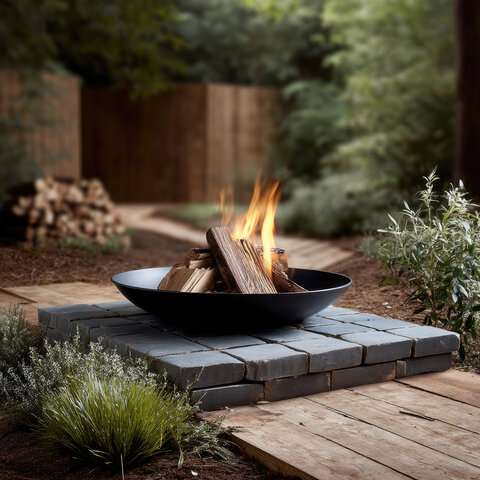
Not all stone is safe around flames. Some options used elsewhere perform poorly in Texas heat or under direct fire exposure. B&B Landscaping & Masonry emphasizes a layered approach: a heat resistant inner structure surrounded by decorative, region appropriate materials.
Basalt or firebrick (interior lining). These dense, high temperature materials line the inside of a wood burning pit, protecting outer stone or masonry from intense heat and preventing cracking or spalling over time.
Flagstone (rings and patios). Locally popular flagstone delivers a rustic, custom look and provides excellent traction underfoot. It absorbs and radiates gentle warmth after the fire dies down, making it perfect for the patio surface or for a raised ring around the pit.
Concrete block and veneer stone. For many Williamson County projects, masons build the structural ring from concrete block, then apply natural stone or brick as a veneer—balancing strength, appearance, and cost.
Crushed stone or gravel (surround). A bed of compacted crushed limestone or pea gravel around the fire area improves drainage, defines the space, and reduces the risk of stray embers igniting turf or mulch.
Soft or moisture holding rocks such as river rock or some sandstones should never be placed where they’re exposed directly to flame, because trapped moisture can expand and cause stones to fracture or “pop” when heated.
How Big Should the Fire Area and Seating Be?
What Dimensions Are Comfortable and Code-Sensible?
A common mistake is building a ring that’s either too small to feel substantial or so large it dominates the yard. Based on years of Central Texas projects, practical guidelines include:
Firepit diameter: 3–4 feet inside diameter works well for most backyards, providing enough flame for warmth without creating a bonfire. Gas pits can often be slightly smaller; wood burning pits benefit from the larger dimension.
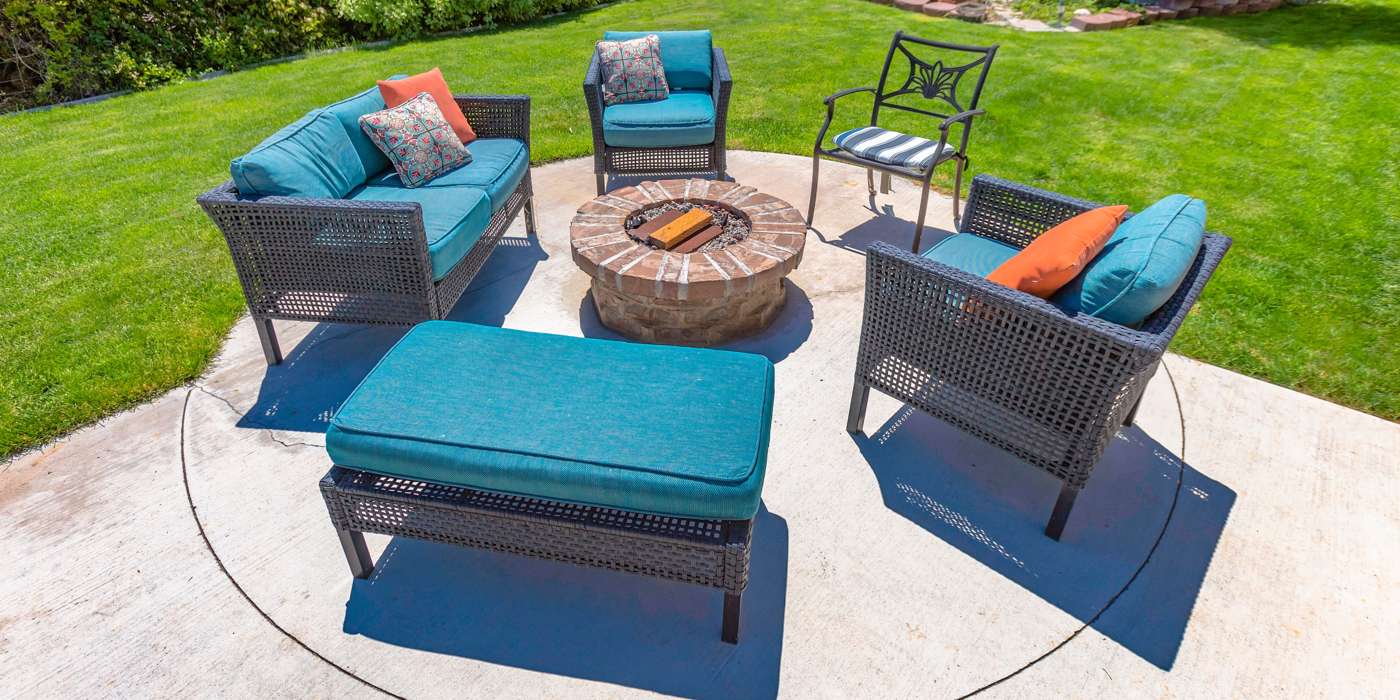
Seating circle: A minimum of 12–14 feet overall diameter for the entire fire zone allows chairs to sit 3–5 feet from the fire, with room to walk behind them safely.
Wall height: Raised stone rings between 12–18 inches tall can double as casual seating. Taller walls are possible but need careful consideration so they don’t block heat from reaching guests.
Built in seating walls or integrated boulder benches are popular in Williamson County because they keep furniture from blowing around and visually anchor the space to surrounding patios or landscape walls.
How Do You Design a Firepit Area on a Budget?
What Are Realistic, Cost-Saving Ideas That Still Look Professional?
A comfortable fire zone doesn’t have to start with a high end kit. Many homeowners in Georgetown, Round Rock, and Cedar Park achieve great results with smart value decisions:
DIY friendly fire ring, pro built surroundings. Some clients purchase an affordable steel or block insert, then hire B&B to handle grading, gravel base, stone patio, and seating so the finished space is safe, level, and attractive.
Reclaimed brick or pavers. Using surplus or salvaged brick (properly rated for high heat) for the outer ring can stretch the budget while giving the firepit a timeless character.
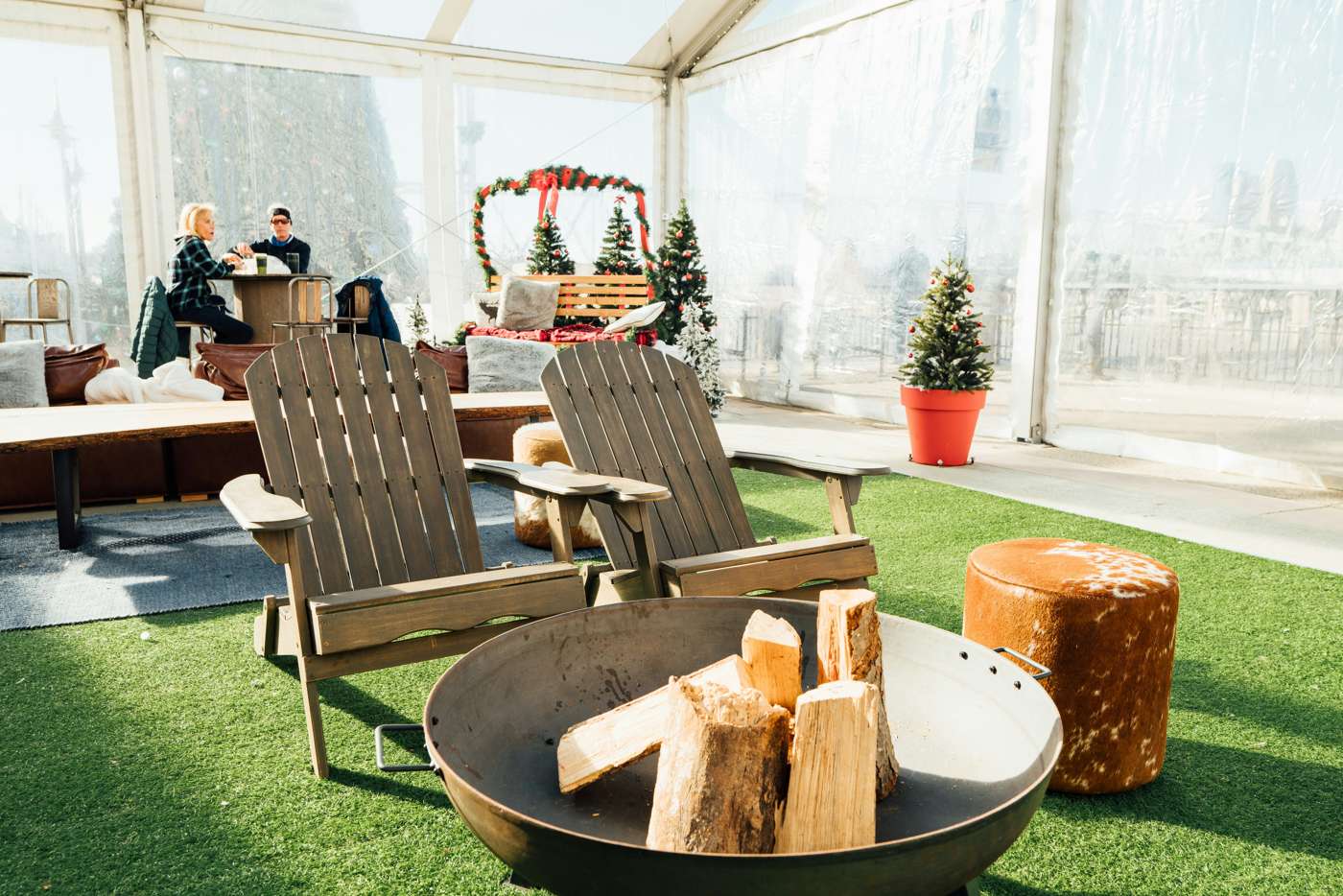
Gravel instead of full hardscape. A compacted gravel pad with a simple stone border costs less than a fully paved patio and still looks intentional when paired with Adirondack chairs and low voltage path lights.
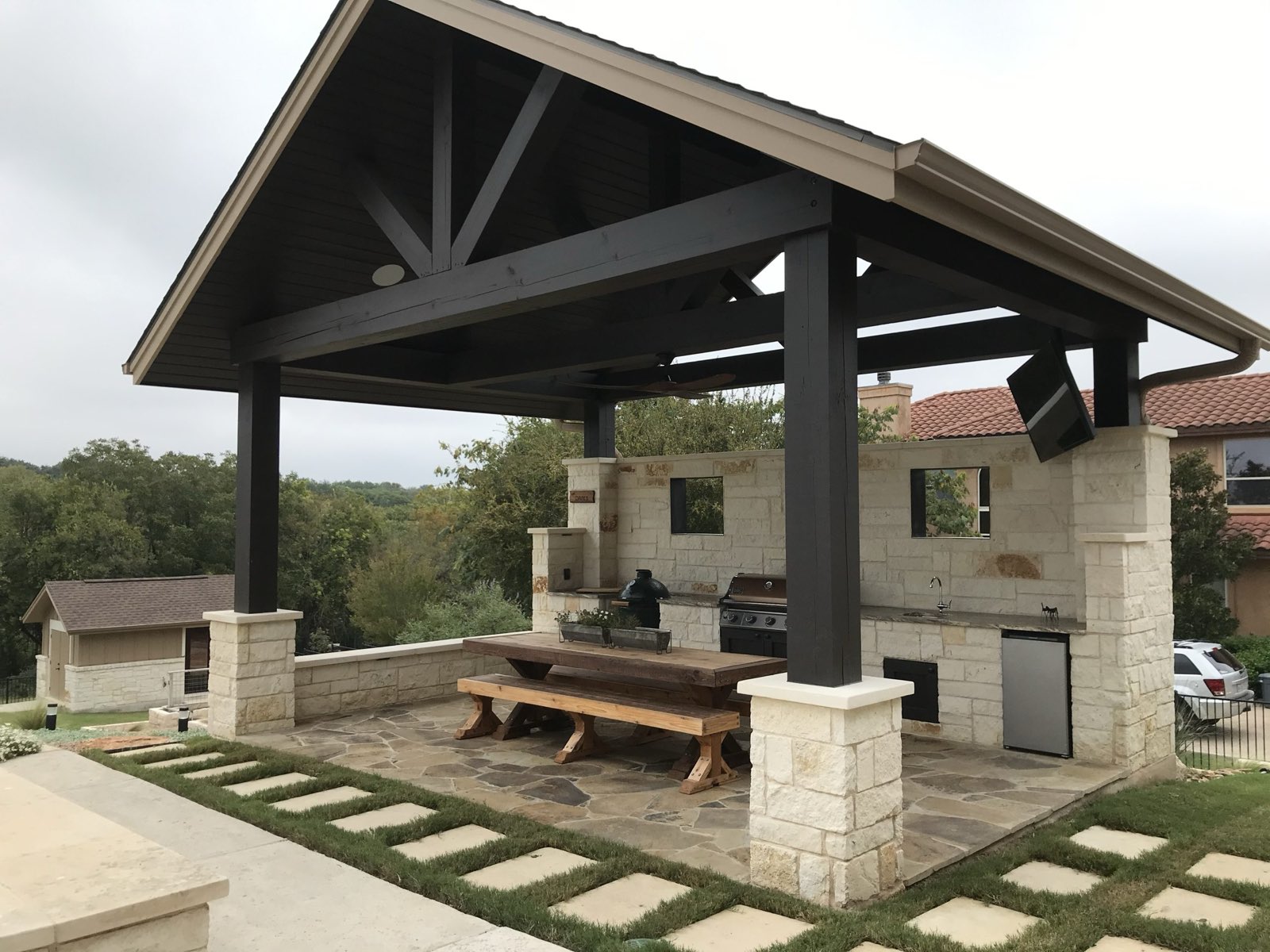
Phased projects. Many Williamson County families start with a firepit and basic seating, then add elements like an outdoor kitchen, pergola, or planting beds over time as budget allows.
The key is placing money where it matters most: safe construction, durable materials in the heat zone, and good drainage. Decorative elements can always be layered in later.
How Should Landscaping Around the Firepit Be Planned?
Which Plants and Groundcovers Are Safe and Sustainable?
Landscaping makes the difference between a lonely stone circle and a true outdoor room. At the same time, vegetation must be chosen and arranged with fire safety in mind:
Use native and adapted plants. Drought tolerant perennials and shrubs—such as salvia, lantana, ornamental yucca, and native grasses—thrive in Central Texas soil and heat, reducing water needs and replacement costs.
Maintain a clear safety zone.Flammable grasses, shrubs, and mulch should be kept at least 10 feet from the fire edge; local guidelines often require 10–25 feet of clearance from structures as well.
Swap wood mulch for mineral groundcovers. In the immediate firepit area, crushed stone, decomposed granite, or lava rock help control weeds and conserve moisture without adding fuel for sparks.
Thoughtful planting also softens hard edges, screens neighboring houses, and frames views—whether of open greenbelt, a pool, or the western sky at sunset.
How Do You Add Lighting and Ambiance Safely?
What Night-Time Touches Work Best Around Fire Features?
Because Central Texas evenings can be dark but comfortable well into winter, lighting deserves its own plan:
Path and step lighting. Low voltage or solar fixtures along walkways and grade changes reduce trip hazards when guests move to and from the fire, especially for children and older family members.
String lights and lanterns. Overhead strings, when kept well away from flames and anchored properly, add a festive glow and visually define the “ceiling” of the outdoor room. Portable lanterns on side tables or seating walls add layered, flexible light.
Subtle, shielded fixtures. Down lights tucked into retaining walls or seat walls highlight stone textures without creating glare, helping your eyes adjust to the fire’s brightness.
Lighting doesn’t have to be expensive; many Williamson County projects use a mix of simple solar markers and a few hard wired fixtures to get a polished result on a modest budget.
Why Partner with B&B Landscaping & Masonry for a Firepit Project?
What Does Local Experience Add Beyond Basic Installation?
B&B Landscaping & Masonry has over 16 years of experience building fire pits, patios, retaining walls, and full outdoor living areas specifically in Williamson County and surrounding Central Texas communities. That track record brings:
Integrated design thinking. Instead of dropping a firepit into an empty yard, the team plans it alongside seating, pathways, drainage, and planting so the space feels intentional and cohesive.
Material and code expertise. Knowing which stones handle Texas heat, which liners meet safety needs, and how far to keep the feature from structures, utilities, and fences helps homeowners avoid costly mistakes.
Craftsmanship built for local conditions. From properly compacted bases on Williamson County soils to tight masonry joints that hold up through heat and the occasional freeze, B&B focuses on details that determine whether your firepit still looks and functions well in ten years.
For homeowners who want their backyard firepit to be more than a big-box purchase sitting on bare grass, working with a seasoned local masonry and landscaping firm provides peace of mind. The result is a safe, welcoming gathering place tailored to Central Texas evenings—and to the way your family and friends actually live outdoors.
B&B Landscaping & Masonry in Williamson County, Texas, lives up to its moniker of being “A Step Above the Rest” by offering comprehensive landscaping and masonry services. With 16 years of experience, they provide a wide range of services, including landscape design and installation, hardscaping, patios, outdoor kitchens, fire pits, and various masonry projects like retaining walls and fencing. Whether you need a complete landscape transformation or specific masonry work, B&B Landscaping & Masonry is dedicated to delivering quality craftsmanship and customer satisfaction throughout Williamson County.