Choosing the Right Cabinet With Countertop for Your Home
When choosing outdoor cabinets with a countertop, I focus on durability, style, and utility. Find the perfect match for my home today!
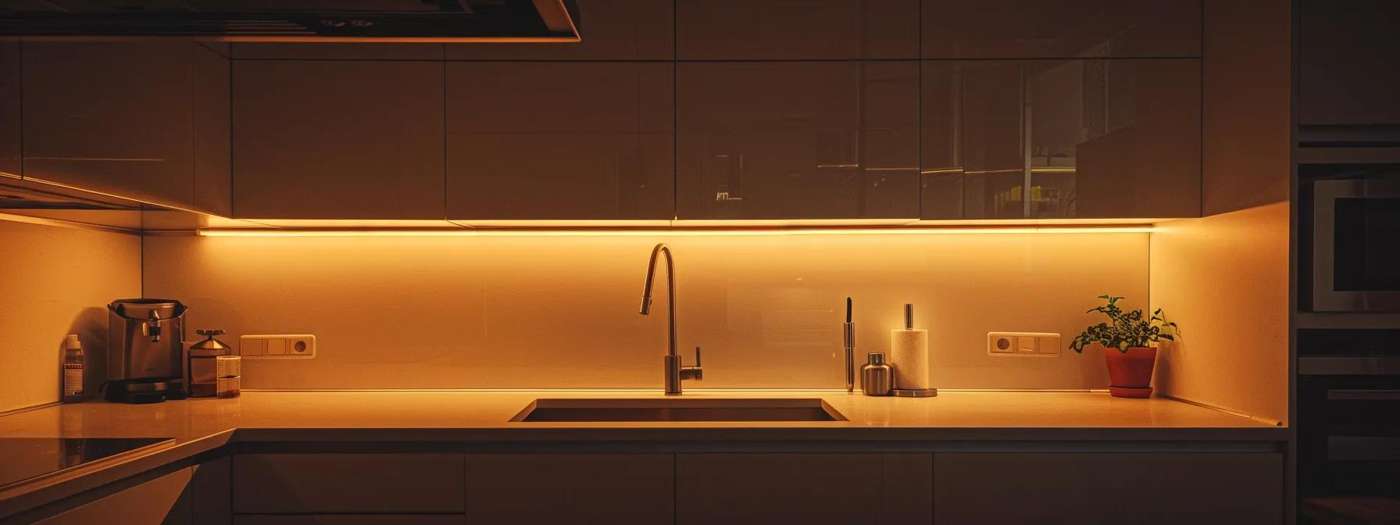
Table Of Contents:
- Cabinet With Countertop
- Selecting the Right Cabinet With Countertop
- Outdoor Cabinets With Countertop Features
- Material Choices for Cabinet With Countertop
- Design and Installation Considerations
- Maintenance and Longevity Tips
- Cost and Value Assessment
- Frequently Asked Questions
- Key Takeaways
- Final Thoughts
Cabinet With Countertop
Selecting the Right Cabinet With Countertop
Selecting the right cabinet with countertop is essential for any outdoor renovation project as it directly affects both the functionality and aesthetic appeal of the space. A carefully chosen cabinet with countertop not only enhances the overall room design but also improves durability and usability for tasks such as food preparation, outdoor cooking, or storage in high-traffic areas. Homeowners and professional renovators alike consider several factors—ranging from material durability to space layout—to ensure that the final installation complements the outdoor environment while withstanding weather-related challenges. This section explains how to determine the most appropriate cabinet with countertop by understanding available outdoor options, assessing functional needs, and evaluating dimensions for specific configurations.
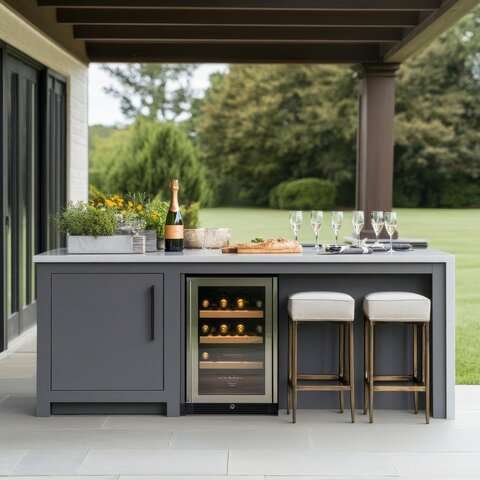
Understanding Outdoor Cabinet With Countertop Options is the first step in the decision-making process. Outdoor cabinets with countertops can be found in various materials, including stainless steel and composite materials that are engineered specifically for exterior use. In outdoor settings, these cabinets are typically integrated into larger patio or kitchen setups, where they serve as storage and workspace. In addition, design trends now favor a combination of functionality and style, offering options that include mosaic tiling or natural stone finishes for countertops. The choice of material can affect the cabinet’s resistance to mold, mildew, and heat—critical considerations in a renovation project that involves significant outdoor exposure.
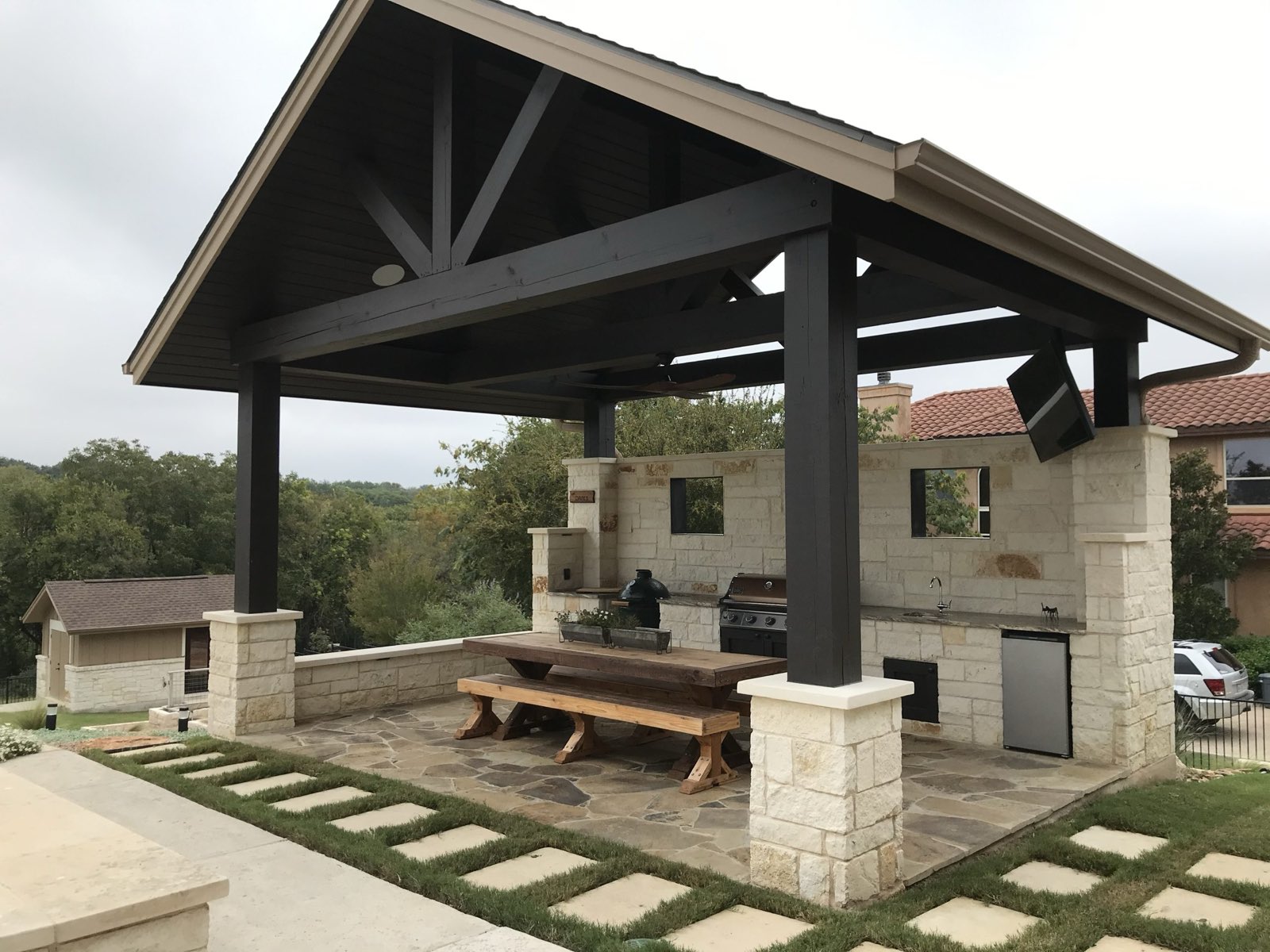
Assessing Functional Needs and Space Layout is another critical aspect. A homeowner’s exact requirements—whether they desire storage for grilling utensils, extra workspace for meal preparation, or simply an organized space to store outdoor dining accessories—will dictate the design and size of the cabinet with countertop. Thoughtful planning ensures that the chosen cabinet coordinates with existing outdoor features such as kitchen cabinets and countertops, utility sinks, and even outdoor cooking setups. An effective layout should maximize the available room while maintaining accessibility and durability. For example, if the renovation involves a patio that will be subjected to frequent heat and moisture, the materials chosen must resist these forces while reflecting the overall design aesthetic of the outdoor environment.
Evaluating Size and Configuration for Outdoor Areas is the final step in this selection process. The configuration of the cabinet with countertop should be planned to fit precisely into the area allocated for installation. Dimensions, including height, width, and depth, must match the overall outdoor design while allowing for the potential expansion of storage options in future renovations. Moreover, the integration of cabinetry with countertops should consider ergonomic factors: the countertop height should be such that it reduces bending and stretching, thereby supporting long-term usability. Homeowners are advised to invest in cabinet sets that not only have a robust build but also sufficient flexibility for the evolving needs of an outdoor living space during renovations or routine improvements.
Outdoor Cabinets With Countertop Features
Outdoor cabinets with countertop features are designed to combine storage and workspace in a single integrated unit, which is ideal for non-traditional settings like patios, outdoor kitchens, and even poolside bars. These systems harness the benefits of both aesthetics and functionality to accommodate the challenges posed by outdoor environments. Typically constructed with materials that balance durability and luxurious design, the cabinets function as essential elements for outdoor living areas that require robust performance even under fluctuating weather conditions.
Incorporating Countertop Materials With Cabinet Designs is a critical consideration when building or renovating an outdoor space. Contemporary designs highlight the inclusion of high-end materials such as granite, quartz, or composite stone alternatives that not only elevate the visual appeal but also provide a resilient surface that withstands heat and moisture. Modern outdoor cabinet systems feature countertops that are seamlessly integrated into the cabinet structure, providing an uninterrupted workspace that enhances efficiency during outdoor cooking or entertaining events. These countertops are often finished with tempered coatings that improve resistance to scratches and stains. The design also often factors in the use of complementary materials such as stainless steel or powder coated metal, both prized in outdoor applications for their longevity.
Weather Resistance and Durability Factors are especially important for outdoor cabinets with countertop features because these installations must endure diverse climate conditions. Materials used in these setups are specifically engineered to resist UV rays, temperature fluctuations, and unexpected precipitation. For example, composite materials and powder-coated metals are favored due to their proven resistance to rust and corrosion, ensuring that the cabinet maintains its structural integrity even in harsh weather. Critical durability enhancements, such as reinforced edges on countertops and sealed cabinet frames, help prevent water ingress and decay, significantly extending the cabinet’s lifespan.
Exploring Integrated Storage and Work Surfaces further illustrates the dual functionality of these outdoor installations. Integrated storage options include adjustable shelving, drawers with soft-close mechanisms, and hidden compartments designed to organize outdoor tools and kitchen essentials. Work surfaces that double as preparation areas reduce the need for additional counters, which can simplify the overall layout while providing a spacious, organized environment ideal for home improvement projects. In addition, many systems now include customizable features such as plug-in points for lighting and other accessories, enhancing usability in low-light conditions. This attention to detail and versatility makes outdoor cabinets with countertop features a valuable asset in both functional and decorative renovations.
Material Choices for Cabinet With Countertop
Material choices for cabinet with countertop installations play a pivotal role in determining the overall durability, maintenance requirements, and aesthetic appeal of the outdoor renovation. Selecting the right materials involves balancing factors such as cost, environmental resistance, and design compatibility with the outdoor space. With a wide range of options available—from stainless steel and aluminum to natural stone and wood finishes—homeowners must weigh the benefits of each in relation to their specific requirements and budget constraints.
Comparing Stainless Steel, Aluminum, and Composite Options provides valuable insights into performance and longevity. Stainless steel is widely preferred for its sleek, modern appearance and superior resistance to rust and corrosion, making it an ideal material for areas exposed to high humidity and salt air. Aluminum offers a lighter alternative that can be treated with specialized coatings to enhance its durability. Composite materials, on the other hand, blend synthetic resins with natural fibers to achieve a balance between strength and environmental sustainability. They are engineered to resist mold, mildew, and UV radiation. Each material type has distinct advantages: stainless steel delivers longevity and modern style; aluminum provides an economic and lightweight option; and composites ensure durability with a lower environmental impact.
Considering Natural Stone and Wood Finishes is equally important when aiming for an outdoor design that marries functionality with organic aesthetics. Natural stone—such as granite or quartzite—offers a timeless look with impressive heat resistance and strength. However, stone countertops typically require professional installation and periodic sealing to maintain their pristine appearance and prevent staining. Wood finishes, like teak or cedar, bring warmth and a natural texture to outdoor spaces, but they demand regular maintenance to protect against moisture, insects, and decay. By selecting the right finish, homeowners not only enhance the natural beauty of the space but also ensure the materials are well-suited to local climate conditions. For instance, areas with high rainfall might benefit from a composite finish that mimics wood without the associated high maintenance.
Balancing Style, Maintenance, and Performance is the ultimate comprehensive consideration. The most attractive material is only as good as its performance over time. Homeowners are advised to prioritize materials that require minimal maintenance yet continue to deliver high performance in the face of environmental stressors. For example, a countertop with a modern quartz finish may provide the dual benefits of an elegant look and operational sturdiness with minimal upkeep. Professional studies have indicated that materials like quartz and stainless steel have significantly lower lifetime maintenance costs compared to natural stone or wood due to their resistance to staining and moisture absorption. This balance becomes a major factor in long-term planning for renovations, where style and functionality must intersect without compromising on durability or performance.
Design and Installation Considerations
Design and installation are crucial phases in ensuring that the cabinet with countertop not only meets functional needs but also seamlessly integrates into the overall outdoor living space. Thoughtful design decisions elevate the visual appeal and enhance ease of use while ensuring that the installation process minimizes disruptions and aligns with long-term renovation goals. From choosing complementary colors to optimizing spatial integration, every detail contributes to a functional and appealing finale.
Coordinating Countertop Color and Cabinet Style is a foundational element of design in outdoor installations. The aim is to create a harmonious visual environment that complements existing outdoor features while establishing a focal point in the room. Contemporary trends suggest that neutral tones or bold contrasts can work well depending on the desired atmosphere—modern minimalism might favor shades of gray or stainless steel, while traditional settings may lean toward natural wood and granite textures. Color coordination is not only about aesthetic appeal but also affects heat absorption and durability; lighter-toned countertops, for example, are less prone to heat buildup in sunny outdoor environments. Such design choices can lead to a cooler, more pleasant outdoor space, while also complementing adjacent decor elements like patio furniture and decorative lighting.
Planning for Installation in Outdoor Environments is necessary to ensure that the cabinet with countertop withstands regular exposure to the elements. This includes careful consideration of ventilation requirements, moisture control measures, and secure anchoring to prevent damage from strong winds or vibration. Pre-installation planning should involve a detailed survey of the installation site to measure space dimensions, assess potential obstructions, and plan for optimal workflow. The installation should follow industry standards and manufacturer recommendations for safety and efficiency, which might include precise leveling, the use of weather-resistant sealants, and integration with existing outdoor structures. Moreover, professional consultation during the installation phase often results in a more robust setup and reduces the likelihood of costly repairs or adjustments later on.
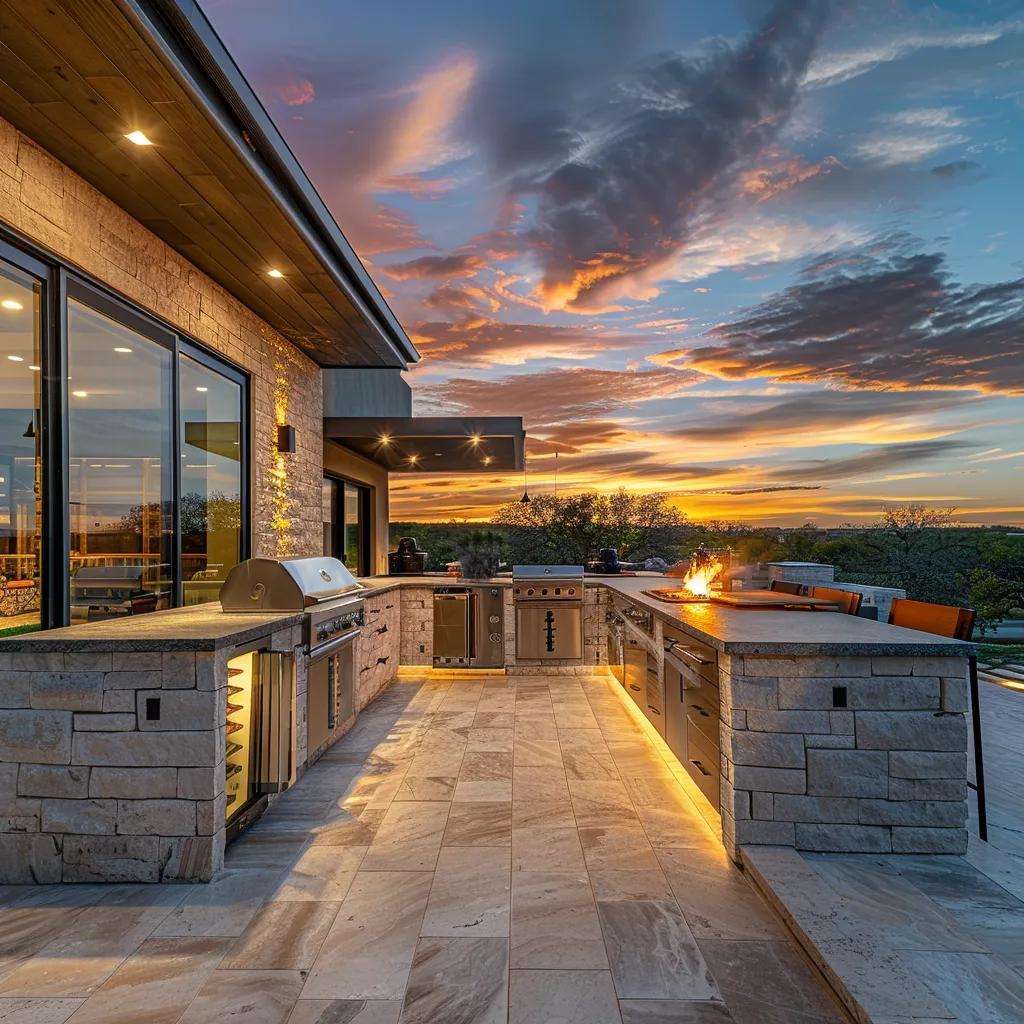
Integrating Lighting and Accessory Options further enhances both the functionality and the ambience of the installed unit. Ambient lighting, such as LED strip lights or spotlights, can be seamlessly integrated into the cabinet design to create a visually appealing focal point during evening hours. Such integrations not only serve a decorative purpose but also increase safety by illuminating work surfaces in low-light situations. Additional accessory options include built-in USB charging ports, power outlets, or even modular additions like spice racks and utensil holders, all of which contribute to the overall user experience. The inclusion of these modern amenities makes the cabinet with countertop a versatile element that addresses both aesthetic and practical concerns. Through careful design and installation, the final product can significantly elevate an outdoor space, making it not only more beautiful but also more efficient for everyday use.
Maintenance and Longevity Tips
Maintenance and longevity are of paramount importance in ensuring that an outdoor cabinet with countertop continues to perform optimally over the years. Regular upkeep not only safeguards the investment but also prevents premature wear and damage due to weather exposure. The maintenance process involves specific strategies that help preserve the cabinet’s aesthetic appeal and functional integrity, ensuring that it remains a valuable component of the outdoor environment.
Strategies for Cleaning Outdoor Cabinet Surfaces are essential for preventing the buildup of dirt, mold, and mildew, which can compromise both appearance and functionality. Routine cleaning using mild detergents and soft cloths is recommended, while abrasive cleaners or high-pressure water may harm delicate finishes or compromise protective coatings. For instance, stainless steel and quartz countertops often require specialized cleaning agents to remove smudges without damaging the surface. Regular cleaning helps maintain hygiene and ensures that the cabinet remains visually appealing—a critical factor for overall home improvement and outdoor renovation projects. Furthermore, setting up a simple maintenance schedule, including monthly wipe-downs and more thorough seasonal cleanings, can extend the effective lifespan of the cabinet.
Preventing Weather-Related Wear and Damage is another critical maintenance consideration. Exposure to sun, rain, and temperature fluctuations can lead to fading, cracking, or corrosion, particularly if the cabinet materials are not adequately protected. Applying sealants or weatherproof coatings can significantly mitigate these risks, helping to prevent water absorption and UV degradation. For example, a high-quality powder coating on metal cabinets creates a durable barrier against rust and environmental pollutants. Additionally, areas that are more prone to moisture exposure may benefit from enhanced drainage or positioning adjustments to reduce direct contact with water. Proactive measures—such as installing covers during severe weather or applying periodic protective treatments—are important to ensure the cabinet retains its function and aesthetic quality over time.
Scheduling Regular Inspections and Upkeep further ensures that any potential issues are detected early and addressed before they escalate into major problems. Regular professional inspections can check for signs of wear and tear, including loose fittings, cracked surfaces, or weakening supports that might compromise the structural integrity of the unit. These inspections should be done at least semi-annually, ideally preceding seasonal changes when extreme weather conditions are expected. Along with professional checkups, homeowners should also be proactive by visually inspecting the cabinet for minor damages and addressing them promptly. Documentation of maintenance routines and repair work is useful for keeping track of the cabinet’s condition over time and can also be beneficial when claiming warranty services or planning future renovations.
Cost and Value Assessment
Assessing the cost and overall value of a cabinet with countertop is a critical step for homeowners undertaking an outdoor renovation project. The financial considerations of investing in a high-quality, durable cabinet must balance the initial outlay with the long-term benefits accrued from enhanced functionality, improved aesthetics, and reduced maintenance expenses. Investment decisions in home improvement projects are typically informed by an in-depth examination of price ranges, potential longevity, and ancillary service and warranty support options.
Comparing Price Ranges for Enhanced Cabinet With Countertop Sets involves analyzing various options available in the market. Price variations can be extensive, depending on factors such as the materials used, design complexity, and brand reputation. For example, basic models constructed with composite materials or lightweight aluminum may be relatively inexpensive, whereas high-end models featuring natural stone countertops, stainless steel components, or custom designs can command a premium price. In many cases, homeowners may find that investing a bit more initially leads to lower long-term maintenance costs, as high-quality materials often offer unmatched durability and efficiency. A comparative table outlining different models, their costs, and key features can help buyers understand the trade-offs:
| Model Type | Material | Price Range | Key Feature | Estimated Lifespan |
|---|---|---|---|---|
| Basic Outdoor Cabinet | Composite/Aluminum | $500 - $1,000 | Lightweight, easy maintenance | 5-7 years |
| Mid-Range Cabinet | Stainless Steel/Quartz | $1,000 - $2,500 | Modern aesthetics, durable finish | 10-15 years |
| High-End Custom Model | Natural Stone/Steel | $2,500 - $5,000+ | Premium design, integrated features | 15-20 years |
| Budget-Friendly Option | Powder Coated Metal | $800 - $1,500 | Weather-resistant coating | 5-10 years |
| Designer Outdoor Set | Mixed Materials | $3,000 - $6,000+ | Custom installation, high durability | 15-25 years |
Weighing Long-Term Investment Against Initial Costs requires that potential buyers consider not just the upfront expense but also the lasting benefits in terms of durability, maintenance, and overall utility. Enhanced cabinet with countertop sets that incorporate premium materials and design features may cost more initially; however, their resistance to environmental damage and low upkeep requirements typically result in lower long-term costs. Investment calculators in several peer-reviewed studies suggest that higher-quality materials reduce maintenance costs by up to 30% over a 10-year period compared to lower-cost alternatives. This approach of “paying more now to save later” can be particularly advantageous in outdoor settings where weather-related wear is more likely to incur additional expenses if inferior materials are chosen.
Considering Warranty and Service Support Options is another key factor in evaluating overall value. Most reputable manufacturers offer warranties that cover material defects, installation issues, and sometimes even routine maintenance for a specified period. For instance, a premium cabinet with countertop may include a warranty of up to 10 years, providing significant peace of mind and ensuring that any issues that arise within the warranty period can be addressed without additional expense. In addition, excellent customer service and available technical support ensure that any necessary repairs or consultations can be effectively managed—a critical factor when undertaking major home improvement projects. These factors combined—price comparison, long-term cost analysis, and robust warranty support—form the comprehensive basis for assessing the value of a cabinet with countertop.
Frequently Asked Questions
Q: What factors should be considered when selecting an outdoor cabinet with countertop?
A: Key factors include material durability, weather resistance, available storage, design compatibility with the outdoor setting, and maintenance requirements. It is important to assess functional needs and space layout to ensure the cabinet integrates well with existing outdoor features.
Q: How does stainless steel compare to composite materials for outdoor cabinetry?
A: Stainless steel offers excellent resistance to corrosion, a modern aesthetic, and high durability, while composite materials often provide a cost-effective, lightweight alternative with good resistance to UV and moisture. Both options have distinct benefits based on budget and specific outdoor conditions.
Q: What maintenance steps can prolong the lifespan of outdoor cabinets with countertops?
A: Regular cleaning with mild detergents, periodic sealing of natural stone surfaces, inspection for wear and tear, and the application of weather-resistant coatings are essential maintenance steps. Scheduling professional inspections can also help detect issues early.
Q: Are custom-designed outdoor cabinets with countertops worth the higher investment?
A: Yes, they typically offer enhanced durability, aesthetic customization, and additional integrated features, which can lead to lower long-term maintenance costs and improved functionality, making them a worthwhile investment for outdoor renovations.
Q: How do warranty options impact the value of a cabinet with countertop?
A: Robust warranty options provide financial protection against material defects and installation issues, ensuring that repairs or replacements are covered for several years. This support can significantly enhance the overall value and reliability of the product.
Key Takeaways
- Selecting the right cabinet with countertop involves understanding outdoor options, assessing function, and evaluating space efficiently.
- Outdoor cabinets with integrated countertops offer modern designs that combine durability with storage and workspace utility.
- Material choices—from stainless steel to natural stone—affect aesthetics, maintenance, and longevity significantly.
- Proper design, including coordinated color and accessory integration, enhances both functionality and visual appeal.
- Regular maintenance, including cleaning and inspections, is vital for prolonging the cabinet’s lifespan while preventing weather-related damage.
- A thorough cost and value assessment encompassing price comparisons and warranty support ensures a wise long-term investment.
Final Thoughts
Choosing the perfect cabinet with countertop for outdoor spaces requires a balance between aesthetic appeal and functional durability. Homeowners should consider material performance, design integration, and long-term maintenance costs when making their selection. The right combination of features can significantly enhance the outdoor living experience while providing robust performance under various weather conditions. With careful planning and investment in quality materials, the renovation can be both a stylish and practical improvement for any home.