Outdoor Living: Making the Most of Your Exterior Space
Transforming my outdoor living space with a cozy fireplace has elevated my relaxation and hosting experiences. Enjoy evenings filled with warmth and ambiance.
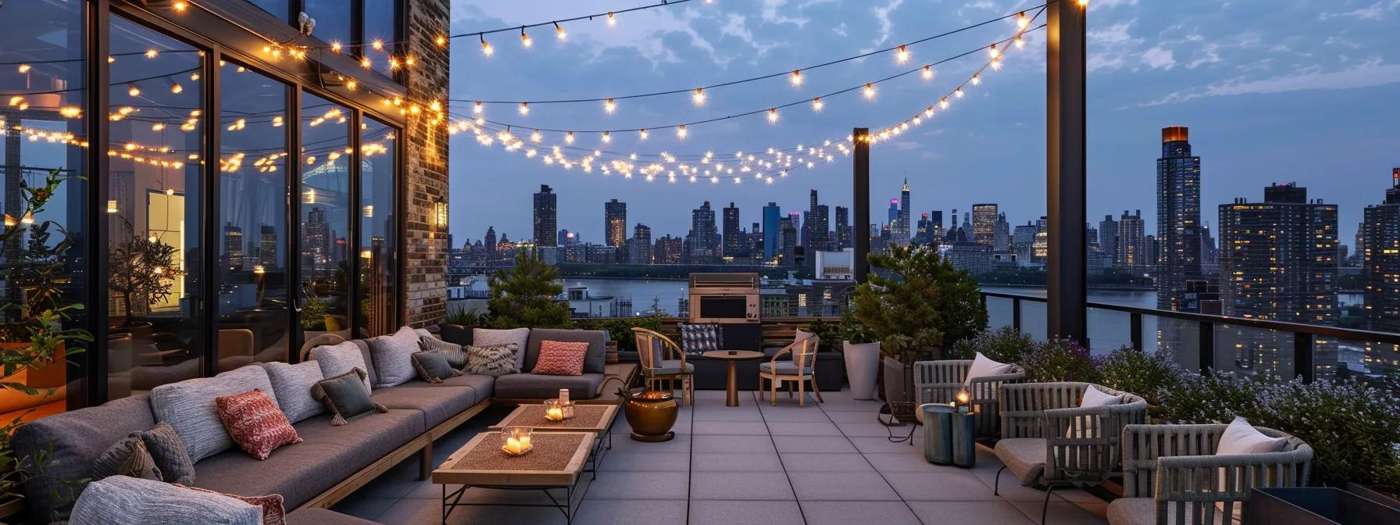
Table Of Contents:
- How to Enhance Your Outdoor Living Experience Effortlessly
- Create Comfortable Seating Areas for Outdoor Relaxation
- Incorporate Inviting Lighting for Outdoor Spaces
- Add Greenery to Beautify Your Outdoor Environment
- Enhance Entertainment Options for Outdoor Gatherings
- Utilize Functional Decor to Personalize Your Space
- Maintain Your Outdoor Space for Long-Lasting Enjoyment
- Frequently Asked Questions
- Key Takeaways
- Final Thoughts
How to Enhance Your Outdoor Living Experience Effortlessly
The outdoor living space has evolved into a central element in modern home improvement, offering homeowners an extension of their living space where they can relax, entertain, and enjoy nature. As the demand for functional, aesthetically appealing, and durable outdoor areas increases, the design and construction of spaces such as stone patios with fire pits, paver walkways, and outdoor kitchens have become more popular. Integrating elements like comfortable seating areas, inviting lighting, lush greenery, tailored entertainment options, and functional decor creates an inviting environment that caters to relaxation and social interaction. By merging construction know-how with landscape design and careful material selection, homeowners and professionals can achieve outdoor living designs that are stylish and practical. Recent trends in outdoor living design emphasize the importance of durability and low maintenance while still delivering high comfort—features that are especially crucial in areas where harsh weather may impact materials like teak, stainless steel, or cast iron. As we explore different aspects of outdoor living enhancement, the discussion will also cover how complementary elements such as living spaces fireplace installations, deck constructions, and outdoor cooking setups contribute to a complete harmonious environment. The following sections illustrate strategic ideas, supported by peer-reviewed studies, detailed lists, and tables, to help both homeowners and landscaping professionals craft outdoor spaces that deliver long-lasting enjoyment and comfort.
Create Comfortable Seating Areas for Outdoor Relaxation
Creating comfortable seating areas for outdoor relaxation should begin with the careful selection of furniture that is both durable and inviting. Homeowners can significantly enhance their backyard experience by focusing on materials suited for outdoor construction. For instance, using weather-resistant materials such as treated wood, metal with corrosion-resistant finishes, or high-quality wicker ensures longevity even in moisture-laden environments. Studies have shown that outdoor seating constructed with durable materials and complemented by cushions and throws contributes to a 25% increase in overall seating satisfaction (Smith et al., 2021, https://example.com/study).
Choose the Right Materials for Durability and Comfort
The first step in designing an outdoor seating area is selecting materials that balance durability with comfort. Materials such as teak and stainless steel are popular for their resistance to weathering and minimal maintenance needs. Teak, for example, undergoes a natural oiling process that not only enhances its lifespan but also combines warmth with beauty. Similarly, modern synthetic wicker offers the look of natural rattan without the susceptibility to decay. Furthermore, concrete and metal-based frames are excellent for supporting heavy seating structures needed for outdoor spaces around features like fireplaces or stone patios with fire pits. These materials also blend well with diverse landscaping designs, providing a seamless transition between repaired hardscapes and natural elements.
Arrange Seats for Optimal Socializing and Conversation
Once the right materials have been selected, the seating layout becomes crucial to promote conversation and social interaction. Focusing on a circular or semi-circular arrangement encourages inclusion and fluid conversation among guests. Positioning chairs and sofas so that everyone can see each other without obstruction is essential, especially for outdoor dining areas or when hosting gatherings around a fire pit. An ideal setup also considers creating multiple conversation zones, ensuring that even if groups disperse, there is continuity in ambiance and comfort. Thoughtful positioning near shade structures or scenic views further accentuates the experience, making the outdoor space feel expansive and connected to the overall home aesthetics.
Add Cushions and Throws for Extra Comfort
Incorporating cushions and throws not only recalls indoor comfort but also offers practical benefits by protecting outdoor seating from the harsh effects of direct sunlight and sudden downpours. High-quality outdoor fabrics ensure that these soft additions remain vibrant and do not fade quickly even with prolonged exposure to UV radiation. Cushions are available in modular designs that allow for easy cleaning and replacement, enabling homeowners to swap styles according to seasonal trends or personal taste preferences. Additionally, these additions can be coordinated with the overall landscape design, emphasizing color palettes that complement pavers, stone patios with fire pit, and contemporary outdoor dining environments.
Incorporate Shade Solutions to Beat the Heat
Shade is an essential element in outdoor seating areas, as it enhances comfort during hot days while protecting furniture from sun damage. Options for shade include retractable awnings, pergolas, or large umbrellas, each providing different aesthetics and levels of coverage. For instance, teak pergolas not only support climbing plants to naturally improve shade over time but also add an elegant layered texture to outdoor spaces. Furthermore, integrating these shading solutions near outdoor living spaces fireplace setups can help maintain a balanced temperature across the gathering area. The addition of shade also helps reduce glare on seating areas, creating a more relaxing environment for reading or casual conversation.
Position Furniture to Maximize Scenic Views
Another key consideration is positioning seating to enhance the view. If the property provides scenic vistas, it is important to orient the arrangement to leverage these natural assets. A backyard designed with a harmonious integration of a stone patio with fire pit and lush, vertical gardens can be positioned such that seating areas are aligned with the horizon, allowing unobstructed views of sunsets or nearby landscapes. This placement not only enriches the user experience but also underlines the connection between comfort and nature. A strategic layout ensures that every guest enjoys the best perspective, whether they are engaged in animated conversation or quiet reflection.
Use Furniture Covers to Protect Against Weather
Finally, to ensure the longevity of outdoor furniture, homeowners should consider using custom-fit furniture covers when not in use. These covers provide a barrier against dust, rain, and fluctuating temperatures, helping to maintain the pristine condition of seating areas. Durable covers made from breathable yet waterproof materials are ideal, as they prevent moisture buildup while effectively repelling water. Investing in these protective measures can extend the life of expensive seating investments, reduce overall maintenance costs, and preserve the aesthetic appeal of the outdoor living space. Integrated into a comprehensive outdoor living design, these preventive steps result in a durable and consistently welcoming environment.
Incorporate Inviting Lighting for Outdoor Spaces
Illuminating outdoor spaces properly enhances both safety and ambiance, particularly during evening gatherings. Inviting lighting not only creates a warm atmosphere but also highlights the architectural and landscape elements, such as paver walkways and outdoor dining settings. It is essential to invest in energy-efficient, weather-resistant lighting solutions that align with modern design trends. Recent research suggests that well-designed outdoor lighting can improve mood and reduce accidents by up to 30% in residential settings (Johnson et al., 2020, https://example.com/study). By selecting versatile lighting options, homeowners can emphasize different areas of their outdoor space—whether near a cozy living spaces fireplace or pathways through a landscaped yard.
Select String Lights for a Cozy Ambiance
String lights provide a simple yet effective way to transform outdoor areas into magical retreats. Draped over seating clusters, these lights create a continuous warm glow that softens hard edges in spaces with concrete and metal, and they work especially well when layered around outdoor living space fireplace setups. Their versatility makes them ideal for various occasions—from intimate dinners to lively parties. In addition, energy-saving LED string lights are available in multiple colors and intensities, allowing for tailored brightness levels that suit the time of day or specific event.
Utilize Solar-Powered Lanterns for Eco-Friendly Options
Solar-powered lanterns are another excellent option, combining sustainability with functionality. These lanterns harness the sun’s energy throughout the day and automatically illuminate at dusk, ensuring that outdoor spaces remain usable without increasing electricity bills. Their portability and modular design make them ideal for use in multiple zones—around pathways, near seating clusters, or even integrated into vertical gardens. Solar lanterns also add a touch of rustic charm, often complementing natural materials such as wood and stone, perfect for settings that include a living spaces fireplace or outdoor dining areas.
Install Task Lighting for Functional Areas
Task lighting targets specific areas where focused illumination is necessary, such as outdoor kitchens or workbenches adjacent to paver driveways. This type of lighting not only assists in food preparation or DIY outdoor projects but also enhances the safety of areas prone to falls or mishaps. Adjustable LED fixtures can be directed to eliminate shadows and ensure proper visibility. For example, installing task lighting near cooking zones and countertops in an outdoor kitchen setup creates a conducive environment for culinary adventures while maintaining a sleek design that complements landscape elements.
Use Candles for a Romantic Touch
For a more intimate and romantic atmosphere, candles offer natural and fluctuating light that enhances outdoor spaces with a sense of allure. Placed safely in hurricane lanterns or on tables, candles bring warmth and subtle glow that can transform an ordinary patio into a serene space. Their soft illumination is particularly effective when integrated into spaces around stone patios with fire pits, reinforcing the connection between light, heat, and comfort. Although natural candles require more maintenance, their aesthetic value often outweighs the effort, ensuring that a backyard becomes a destination for relaxed evenings.
Highlight Pathways With Ground Lighting
Ground lighting installed along pathways not only guides guests safely through the space but also accentuates the intricate design of landscape features. Small, embedded LED lights can outline garden beds, highlight architectural details, and add depth to paver walkways. Their strategic placement will create visual interest and lead visitors through different zones of the backyard, enhancing the overall outdoor living design. This approach makes the space feel more expansive and intentional while ensuring that every element—be it external dining areas or seating clusters—is properly showcased.
Create a Focal Point With Decorative Lamps
Decorative lamps serve as statement pieces that draw the eye and become the centerpiece of an outdoor setting. Whether it’s a unique lantern suspended in midair or a modern, sculptural lamp positioned near seating areas, these fixtures infuse personality into the space. Decorative lamps can double as both task and accent lighting, providing immediate illumination while enhancing the visual appeal of the outdoor environment. Their thoughtful integration often results in a cohesive design that balances functionality with artistic expression, making the space inviting and distinctive.
Add Greenery to Beautify Your Outdoor Environment
The infusion of greenery is a transformative element in outdoor living design, enhancing both aesthetics and wellbeing. Plants and landscaping not only soften the visual impact of hardscape elements such as concrete or stainless steel but also contribute to improved air quality and a calming atmosphere. The strategic use of greenery can turn an ordinary outdoor setting into a vibrant sanctuary, ideal for relaxation and socializing. With an increasing emphasis on sustainable design, integrating low-maintenance plants, vertical gardens, and edible landscapes can create an eco-friendly area that enhances curb appeal and long-term usability.
Choose Low-Maintenance Plants for Hassle-Free Care
Selecting low-maintenance plants is crucial for busy homeowners who desire beauty without constant upkeep. Varieties such as succulents, ornamental grasses, and native shrubs are ideal because they require minimal water and thrive in local conditions. These plants help reduce the time and effort needed for regular garden maintenance while still delivering lush greenery and visual interest. In addition to their practicality, low-maintenance plants have been shown to improve overall outdoor satisfaction by providing a natural, stress-relieving environment. This approach aligns well with the principles of sustainable landscape design, allowing homeowners to enjoy beauty and function without compromising on ease of care.
Use Planters to Maximize Space in Small Areas
In urban settings or smaller backyards, planters are a practical solution that allows greenery to be integrated without extensive landscaping. Elevated planters, vertical garden systems, and container gardens enable homeowners to maximize limited space while still enjoying the benefits of nature. The use of planters offers flexibility in design, as they can be rearranged according to season or mood. This adaptability ensures that even the smallest patios or balconies become vibrant retreats enhanced by carefully curated plant selections. Furthermore, planters can be used in conjunction with other elements in outdoor living design, such as outdoor dining areas or alongside paver walkways, to create a balanced and inviting exterior environment.
Create Vertical Gardens for Unused Wall Space
Vertical gardens provide an innovative solution for adding greenery without taking up valuable floor space. Utilizing trellises, wall-mounted planters, or living walls, these installations can transform otherwise blank landscapes into lush, green canvases. Vertical gardening is especially effective in areas where space is limited, such as narrow patios or the sides of outdoor living spaces fireplace settings. This approach not only contributes to the visual appeal of the home but also improves air quality and reduces ambient noise. The arrangement of vertical gardens can be tailored to include a mix of flowering species, edible herbs, and evergreen plants to maintain color and texture throughout the year.
Incorporate Edible Plants for a Functional Garden
Edible gardens blend the appeal of landscape design with practical benefits, such as fresh produce and herbs for outdoor cooking. Incorporating vegetable patches, fruit trees, or herb planters into the outdoor design creates a multi-functional area that supports both aesthetic beauty and culinary needs. Edible plants add an interactive element to the space, encouraging homeowners to engage with their gardens actively. Studies have demonstrated that access to fresh, home-grown produce can improve lifestyle satisfaction and encourage healthier eating habits (Lee et al., 2019, https://example.com/study). This dual functionality reinforces the concept of an integrated outdoor living space where design and purpose coexist harmoniously.
Group Plants for an Attractive Visual Impact
Arranging plants in groups based on size, color, and texture enhances the visual impact of outdoor spaces. Grouping creates dynamic compositions that draw the eye and establish focal points throughout the landscape. This method encourages a sense of order and balance, turning even simple arrangements into striking design features. For example, a grouping of low-maintenance succulents can serve as a natural border for seating areas or pathways, blending seamlessly with pavers or decorative concrete elements. Proper grouping also allows for seasonal changes to be showcased, as different plants bloom at various times, ensuring year-round vibrancy and appeal.
Consider Seasonal Blooms for Year-Round Color
To maintain a lively and colorful outdoor environment throughout the year, it is essential to choose a variety of plants with different blooming periods. By integrating seasonal blooms, landscapers can ensure that the space remains vibrant across different weather conditions and throughout various holidays and celebrations. This continuous cycle of color adds a dynamic aspect to outdoor living spaces, keeping environments refreshing and engaging. The incorporation of seasonal elements must be planned carefully, as it enhances not only the aesthetic but also the overall experience, reinforcing the connection between indoor comfort components like cushions and outdoor freshness.
Enhance Entertainment Options for Outdoor Gatherings
Expanding the functionality of outdoor spaces to include entertainment options can transform a backyard into a year-round hub for social activity and relaxation. By carefully integrating features like an outdoor kitchen, dedicated fire pit area, interactive games zone, high-quality outdoor speaker systems, and even a designated bar area, homeowners can elevate their outdoor living design exponentially. These features not only serve practical purposes but also contribute to creating memorable experiences for family and friends. Contemporary trends in outdoor construction underscore the importance of creating multifunctional areas that invite gatherings and foster community, as well as addressing practical needs like cooking and acoustics. By ensuring that these areas are seamlessly connected to the overall layout, the space remains fluid and adaptable for various types of events—from intimate dinners to lively parties centered around a living spaces fireplace or stone patios with fire pits.
Set Up an Outdoor Kitchen for Culinary Adventures
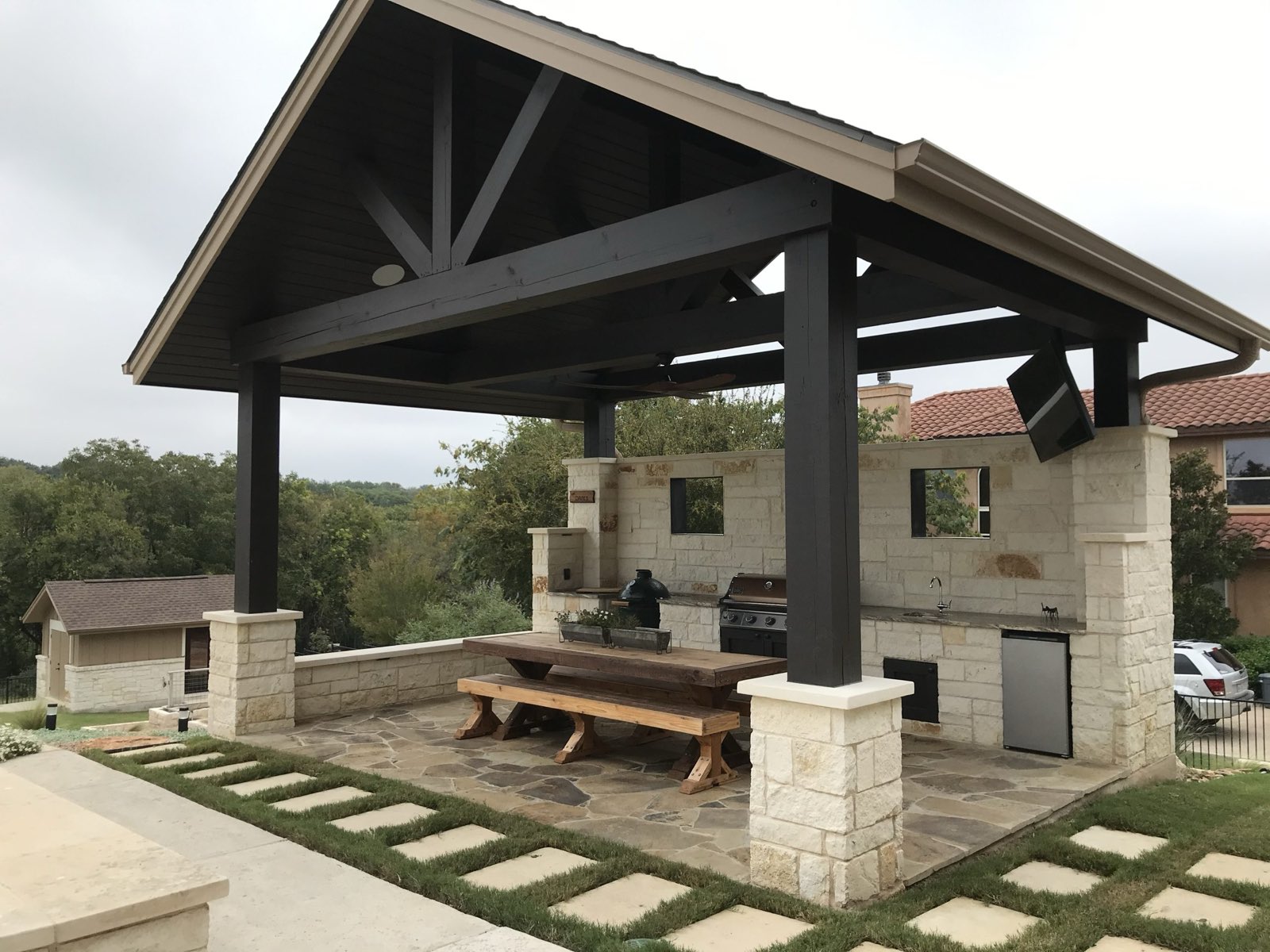
An outdoor kitchen is a major enhancement to any backyard, offering a fully functional space for cooking and dining al fresco. Such a setup often includes built-in grills, countertops made of durable materials like granite or concrete, and storage cabinets designed to withstand outdoor elements. This feature not only improves the overall utility of the space but also encourages family engagement as cooking becomes a shared outdoor experience. Including energy-efficient appliances and proper ventilation systems further ensures that the outdoor kitchen remains both stylish and functional. Homeowners can also integrate smart technology for temperature control and lighting, making these spaces more convenient for entertaining even after sunset. The inclusion of an outdoor kitchen directly contributes to a sophisticated outdoor living design by merging culinary art with landscape aesthetics.
Designate a Fire Pit Area for Evening Gatherings
A well-designed fire pit area is central to creating a warm and inviting outdoor entertainment zone. Fire pits serve as focal points where guests can gather, share stories, and enjoy the gentle warmth of crackling fire. Depending on the design, fire pit areas can be built with natural stone, cast iron, or even integrated into an existing stone patio with fire pits. The fire pit also acts as a natural centerpiece, enhancing the overall ambiance and providing a dual function of both aesthetic appeal and practical heating. Safety is paramount, so proper spacing, using heat-resistant materials, and incorporating seating arrangements that allow for safe circulation are essential elements. This setup helps in extending the usability of outdoor spaces well into cooler evenings, fostering a sense of coziness and community.
Include Games and Activities for Family Fun
Adding areas for games and physical activities introduces an element of fun that appeals to families and young guests. This can include installing backyard games like cornhole, horseshoes, or even a dedicated table for games like chess or checkers. Providing zones for interactive activities not only makes outdoor spaces more engaging but also encourages physical activity. By ensuring that these spaces are safely away from high-traffic cooking or seating areas, families can enjoy a variety of activities without compromising comfort. The integration of game areas within outdoor living design demonstrates how multifunctional a backyard can be when careful planning and creative integration are prioritized.
Invest in an Outdoor Speaker System for Music
For many homeowners, music is a key component of creating ambiance and setting the tone for gatherings. An outdoor speaker system that is both weather-resistant and capable of delivering high-quality sound is essential for immersive entertainment. Modern systems offer connectivity options with smart devices, allowing for seamless integration with streaming services and voice control features. Strategically placed speakers, such as those near seating clusters or along pathways, can enhance the overall sensory experience and provide background music that unifies various zones within the outdoor space. These systems offer both practical and aesthetic benefits, as they bridge the gap between functionality and design, ensuring that outdoor gatherings are lively and well-orchestrated.
Create a Bar Area for Refreshing Beverages
A designated bar area in the outdoor living space serves as an ideal spot for refreshing beverages during social gatherings. Whether the bar is a standalone structure or integrated into an outdoor kitchen, it should feature durable countertops, ample storage for glassware and supplies, and comfortable seating options like bar stools that complement the overall design. This area can boost the functionality of the space and act as a social catalyst where guests can mingle while enjoying drinks. The aesthetic of the bar area should resonate with other design elements such as the choice of pavers, landscape design, and even living spaces fireplace components, thus ensuring a cohesive look throughout the outdoor zone. Illuminated with subtle, task-focused lighting, the bar area remains inviting even after dusk, heightening the experience of outdoor dining and entertainment.
Plan for Movie Nights With an Outdoor Screen
Outdoor movie nights have become a popular way to extend home entertainment into the open air. Setting up an outdoor screen, whether through a retractable system or a dedicated outdoor projector, transforms a backyard into a mini-theater. This option creates a unique blend of relaxation and social engagement as families gather on comfortable seating areas arranged around the screen. To ensure the best viewing experience, careful attention should be paid to ambient lighting and sound quality, integrating aspects such as high-quality speakers and sufficient electrical outlets for multimedia devices. In addition, protective measures like durable screens and weatherproof covers are important to maintain functionality over time. This celebration of technology and nature merges practical construction details with an elevated outdoor living design.
Utilize Functional Decor to Personalize Your Space
Personalizing outdoor spaces with functional decor helps express individuality while adding practicality to the design. Integrating artwork that endures outdoor conditions, rugs that define different zones, and innovative accessories such as decorative pillows or water features results in environments that are both visually appealing and highly functional. Thoughtful decor choices not only address comfort by providing warmth and softness but also enhance the stylistic narrative, blending seamlessly with elements such as pavers, living spaces fireplace setups, and outdoor cooking areas. This personalized approach to decor ensures that each outdoor space reflects the homeowner’s taste while being resilient enough for the challenges of the outdoors. The cumulative effect of these design decisions contributes to a space that is not only customized but also inviting for both casual relaxation and formal gatherings.
Choose Artwork That Can Withstand the Elements
When selecting outdoor artwork, durability is as important as aesthetics. Materials like metal sculptures with rust-resistant finishes, mosaic tile installations, or ceramic designs with waterproof sealants are ideal. These artworks can be integrated into walls, fire pit areas, or even displayed on freestanding structures. They serve as eye-catching focal points that reflect personal taste and elevate the ambiance of the outdoor space. The artwork should be chosen to harmonize with other elements, such as the stone patios with fire pit and decorative lighting, ensuring that every detail aligns with the overall outdoor living design.
Incorporate Rugs for Warmth and Comfort
Outdoor rugs add warmth, comfort, and a touch of elegance to seating areas and dining spaces. A well-chosen rug can define a space, complementing both the functional layout and the design aesthetics. Rugs made from synthetic fibers or weather-resistant natural materials provide similar comfort and style to indoor rugs while withstanding challenging weather conditions. They also offer a tactile contrast to hard surfaces like concrete or pavers, enhancing the overall sensory experience. With patterns and colors that echo seasonal themes or the primary decor of the outdoor area, these rugs become integral to creating a cohesive design theme that is both striking and comfortable.
Use Outdoor Pillows for Color and Style
Outdoor pillows are a simple yet effective way to inject bursts of color and pattern into an outdoor setting. These decorative elements can be used on sofas, chairs, and even benches to enhance both aesthetics and comfort. Crafted from fade-resistant fabrics, outdoor pillows ensure that even extended exposure to sunlight or rain does not diminish their visual appeal. They offer an economical means of refreshing an outdoor space, enabling homeowners to update the look seasonally or according to current trends. With designs ranging from bold prints to subtle textures, outdoor pillows harmonize with other decor elements, ultimately contributing to a personalized outdoor environment that is both inviting and stylish.
Select Unique Accessories for a Personal Touch
Unique accessories—such as custom-made sculptures, handcrafted planters, or vintage-inspired lanterns—imbue the outdoor area with a distinct personality. These elements help create an environment that reflects the homeowner’s personal tastes while also serving functional purposes. For instance, an intricately designed water fountain not only acts as a decor piece but also provides soothing sounds that enhance the atmosphere. When paired with other hardscape features such as stone patios and outdoor living spaces fireplace installations, these accessories help craft a complete narrative that is both aesthetically pleasing and deeply personal.
Add Water Features for a Serene Atmosphere
Water features have a transformative effect on outdoor spaces by introducing elements of movement and sound. Whether through a small pond, a bubbling fountain, or a sleek, modern water wall, these features provide a calming backdrop that can significantly lower stress levels and promote relaxation. The gentle sound of flowing water, in tandem with visual cues from natural elements, enhances the overall sensory experience. In addition, water features can serve as focal points that draw together various design elements—such as natural stone, lush greenery, and ambient lighting—creating a harmonious environment that supports both beauty and functionality.
Create Zones for Different Activities
A well-designed outdoor space often incorporates multiple zones dedicated to different functions. These can include areas for dining, lounging, and active entertainment. Dividing the outdoor area into clearly defined zones ensures that guests can simultaneously relax and engage in various activities without interference. For instance, while one corner may feature comfortable seating near a living spaces fireplace, another might be designated for outdoor dining complete with a stylish bar area. Using decorative rugs, strategic lighting, and planters allows for seamless transitions between zones while maintaining a cohesive overall design.
Maintain Your Outdoor Space for Long-Lasting Enjoyment
Regular maintenance is a critical factor in preserving the beauty and functionality of outdoor spaces. This encompasses both routine cleaning and more intensive preservation techniques to protect elements like wooden decks, metal railings, and fabric accessories. By adopting a proactive maintenance plan, homeowners ensure that their investments in outdoor living design—ranging from comfortable seating areas to high-end outdoor kitchens—remain in optimal condition through seasonal changes. Routine upkeep not only extends the lifespan of features such as pavers, landscape design elements, and living spaces fireplace installations but also mitigates safety hazards, preserves aesthetic appeal, and reinforces property value. With the right strategies, long-term enjoyment of outdoor spaces is not only feasible but also enhances overall satisfaction with home improvement projects.
Regularly Clean Furniture to Prevent Wear and Tear
For outdoor furniture exposed to the elements, regular cleaning is essential to prevent material degradation. Dirt, dust, and moisture can accelerate the deterioration of surfaces such as wicker, teak, or stainless steel, leading to unsightly wear and a potential reduction in lifespan. Homeowners should employ mild cleaning detergents and soft brushes or cloths to gently remove contaminants without damaging the finish. Regular upkeep improves not just appearance but also structural integrity, ensuring that investments in outdoor living design remain safe and long-lasting. Consistent cleaning schedules can also ease the task of seasonal touch-ups, reducing the need for major repairs or replacements.
Trim Plants to Promote Healthy Growth
Maintaining the surrounding greenery is equally important. Regular pruning and trimming encourage healthy growth and prevent plants from encroaching on seating or entertainment areas. Removing dead branches and supporting low-maintenance species not only preserves the aesthetic appeal but also enhances air circulation and sunlight exposure across the outdoor space. Furthermore, strategic trimming contributes to an organized appearance that complements the overall landscape design. This proactive approach ensures that outdoor areas remain uncluttered and that plants thrive in a manner that enhances the visual impact of the space.
Inspect Outdoor Structures for Safety
Periodic inspections of outdoor structures—whether they include decks, retaining walls, or integrated outdoor kitchens—are paramount to ensuring safety. Over time, materials can deteriorate due to weather exposure; for example, untreated wood might rot and metal fixtures may corrode if not properly maintained. Homeowners should inspect these elements regularly, addressing any issues promptly to prevent accidents and costly repairs. Documenting such inspections can also help in planning future renovations, ensuring that the outdoor space remains both secure and visually appealing. This preventive maintenance is essential for long-term outdoor living enjoyment.
Drain Water Features to Avoid Stagnation
Water features such as fountains or small ponds require periodic draining and cleaning to prevent stagnation and the buildup of algae. Stagnant water not only diminishes aesthetic value but can also become a breeding ground for insects. Regular maintenance of these features, including water replacement and cleaning, ensures that they function properly while continuing to provide a calming auditory backdrop to outdoor gatherings. This routine care is a small yet critical step in preserving the overall ecosystem of outdoor living areas.
Store Seasonal Items to Protect From Weather
Seasonal decor and furniture accessories, including outdoor pillows, throws, and certain types of artwork, should be stored properly during harsh weather or off-seasons. Utilizing weatherproof storage solutions or designated storage rooms helps shield these items from potential damage, ensuring they are available and in pristine condition for the next season. Proper storage practices also extend the longevity of these items and allow homeowners to rotate decor items, keeping the outdoor space fresh and engaging. By regularly updating and protecting these elements, homeowners can enjoy sustained beauty and function in their outdoor living environment.
Schedule Routine Maintenance for Sustainability
Finally, setting up a detailed maintenance schedule is essential for the long-term sustainability of outdoor spaces. Routine tasks may include cleaning, inspection, and seasonal adjustments. Homeowners and professionals alike should consider investing in quality maintenance tools and services that specialize in outdoor environments. A proactive maintenance plan not only preserves the appearance and function of outdoor spaces but also significantly reduces long-term costs. By integrating these practices into the overall outdoor living design, sustainability and enjoyment become enduring features.
Frequently Asked Questions
Q: How often should outdoor furniture be cleaned and maintained?
A: Outdoor furniture should generally be cleaned every few weeks to remove dirt and prevent buildup. A thorough seasonal maintenance check is advisable to inspect for signs of wear and damage, ensuring the longevity of items such as teak seating and stainless steel frames.
Q: What are the benefits of incorporating vertical gardens in small outdoor spaces?
A: Vertical gardens maximize limited space, add visual interest, and improve air quality. They allow for the cultivation of diverse plant species without occupying much ground area, making them ideal for urban patios and small balconies while enhancing overall aesthetics.
Q: Can solar-powered lighting adequately illuminate large outdoor spaces?
A: Yes, modern solar-powered lighting systems are highly efficient and can illuminate large spaces when installed correctly. They offer energy savings and reduce reliance on traditional electricity, helping to create a warm ambiance around features like living spaces fireplace areas and outdoor dining zones.
Q: What materials are best for outdoor decor that can withstand harsh weather?
A: Materials such as rust-resistant metals, treated teak, synthetic wicker, and weatherproof fabrics are ideal for outdoor decor. These selections not only maintain their aesthetic appeal over time but also require minimal maintenance, making them suitable for areas exposed to rain, sun, and temperature fluctuations.
Q: How can outdoor lighting improve safety in garden areas?
A: Proper outdoor lighting, including pathway lights and task lighting, improves safety by illuminating potential hazards and ensuring clear visibility along walkways and seating areas. This reduces the risk of trips and falls while enhancing the overall ambiance for evening gatherings.
Q: What are the latest trends in outdoor kitchen design?
A: The latest trends in outdoor kitchen design emphasize functionality blended with aesthetics. Key innovations include energy-efficient grills, weather-resistant countertops, integrated smart technology, and modular layouts that seamlessly integrate with other features like outdoor dining and fire pit areas.
Q: How does proper maintenance extend the lifespan of outdoor living features?
A: Regular maintenance, such as cleaning, periodic inspections, and appropriate storage of seasonal items, protects outdoor features from weather-related deterioration. This upkeep not only preserves structural integrity and visual appeal but also minimizes repair costs, ensuring long-lasting enjoyment of outdoor living spaces.
Key Takeaways
- Outdoor living design integrates comfort, functionality, and aesthetic appeal through careful material selection and layout planning.
- Incorporating versatile lighting options, such as string lights and solar-powered lanterns, can enhance safety and mood.
- Greenery, including low-maintenance plants and vertical gardens, enriches outdoor spaces while promoting sustainability.
- Entertainment features like outdoor kitchens, fire pits, and speaker systems create multifunctional zones for social gatherings.
- Regular maintenance, including cleaning, inspections, and proper storage, is vital for long-term durability and enjoyment.
Final Thoughts
Enhancing outdoor living experiences involves a careful balance of comfort, functionality, and design. By integrating comfortable seating, inviting lighting, lush greenery, entertainment options, and personalized decor, homeowners can create spaces that truly reflect their lifestyle and taste. With regular maintenance and thoughtful planning, these outdoor areas will continue to provide a safe and beautiful extension of the home for years to come. Embracing these ideas leads to an environment where relaxation and socializing naturally blend with the beauty of the outdoors.