The best trees to plant in Texas
Trees can create beautiful scenery at your home. B&B Landscaping is a Liberty Hill Landscaping company and can help you create a beautiful yard...
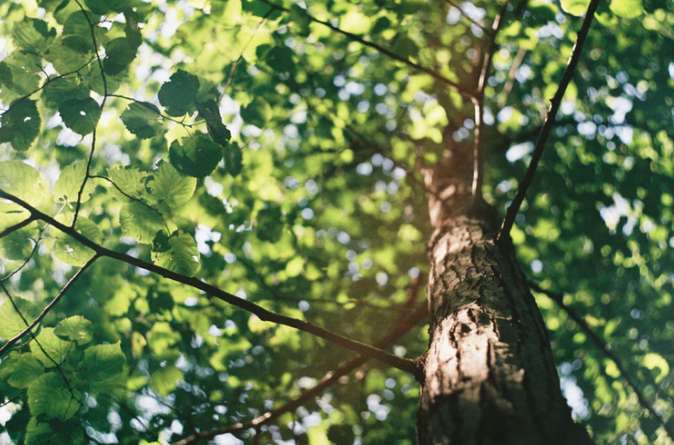
Planting trees on your property offers many benefits to your property. They provide shade for your house and help keep it cool during the summer and lower your energy bill. They also provide shelter for wildlife encouraging birds and squirrels to live around your home. Birds eat mosquitos which means less mosquitos to bite you. The varying climate throughout Texas allows for the planting of all different kinds of beautiful trees for everyone to enjoy.
Here are some of the best trees for planting in Texas.
Cedar Elm
One popular Texas tree is Cedar Elm, which is known as one of the most common elm trees. This type of tree is typically grown in many types of soils, thereby making it a more desirable tree in many areas. Additionally, the Cedar Elm are tolerant to droughts and also provides a wonderful amount of shade to help counteract the heat. They can grow fairly large pretty quickly.
Magnolia
Another popular Texas tree is the Magnolia, which is commonly referred to as a “southern” tree. These types of trees are more prevalent in the Eastern part of the state and feature large, waxy, fragrant white flowers, as well as large glossy, dark green, leathery leaves. Magnolias also tend to prefer full sunlight and deep well-drained soils. Magnolias not only look beautiful but smell great as well. These trees can add Southern charm to your property easily.
Live Oak
Another one of the most popular Texas trees is the Live Oak, which are typically 50 feet tall and have a short, stout trunk and create a large amount of shade to help protect from the heat. The wood of the tree is also considered to be very hardy, making it easy to protect the tree in stress. The Live Oak is also considered to be perhaps the most popular and well-known landscape tree in the state. Oak trees are very sturdy trees and can easily withstand the worst weather that Texas can through at it wether that be wind, hail or torrential rain.
Frequently Asked Questions
What are the benefits of planting trees on my property?
Trees provide shade that helps keep your home cooler and can lower energy bills, while also offering shelter for wildlife like birds and squirrels. Birds in particular help control mosquito populations, making trees a practical addition beyond just aesthetics.
What is the best drought-tolerant shade tree for Texas?
Cedar Elm is one of the most popular choices, as it tolerates a wide variety of soil types, handles drought well, and grows fairly quickly to provide substantial shade.
Are Live Oak trees good for withstanding severe Texas weather?
Yes, Live Oak trees are known for their hardy wood and sturdy structure, making them well-suited to withstand wind, hail, and heavy rain. Their short, stout trunks and wide canopies also make them one of the most popular landscape trees in the state.
Do Magnolia trees grow well throughout all of Texas?
Magnolias are more commonly found in the Eastern part of Texas and prefer full sunlight along with deep, well-drained soil. If you’re located outside this region, it’s worth consulting with a landscaping professional to determine if a Magnolia will thrive in your specific yard conditions.
How much shade does a Live Oak tree typically provide?
Live Oaks generally grow to around 50 feet tall with a wide canopy, offering substantial shade coverage that can help protect your home and yard from intense Texas heat.
Should I consider allergies before choosing a tree for my property?
Yes, it’s a good idea to avoid planting trees that you or your family may be allergic to, since certain trees produce pollen that can trigger seasonal allergies. Consulting with a landscaping professional can help you choose a tree that fits your needs without added discomfort.
How quickly does a Cedar Elm tree grow?
Cedar Elms are known for relatively fast growth and can reach a large size in a fairly short amount of time, making them a popular choice for homeowners wanting quicker shade coverage.
What type of soil does a Magnolia tree need?
Magnolias prefer deep, well-drained soil paired with full sunlight exposure. Proper soil conditions help support their large, fragrant blooms and glossy foliage.
Can trees help attract wildlife to my yard?
Yes, trees provide natural shelter and habitat that can encourage birds and squirrels to make your yard their home. This added wildlife activity, particularly from birds, can also help naturally reduce mosquito populations around your property.
Should I consult a professional before planting trees on my property?
Yes, a landscaping professional can help assess your soil, sun exposure, and space constraints to recommend the best tree species for your specific property. This helps ensure the tree you choose will thrive long-term and won’t cause issues with structures, utility lines, or allergies down the road.
We recommend not planting trees on your property that you are allergic to. You should consult a liberty hill landscaping company if you are thinking about planting trees on your property. Contact B&B Landscaping for an expert opinion.